
How to Build Self-Discipline Without Burning Out
Somewhere along the way, discipline got confused with intensity. Wake up earlier, push harder, say no to more things, track every habit down to the minute. It is an exhausting definition, and it is also the reason so many people burn brightly for two weeks and then quit entirely, feeling like they failed at something that was never actually sustainable to begin with. Real discipline looks quieter than that, and it lasts a lot longer.
Discipline Is Not the Opposite of Rest
One of the easiest traps to fall into is treating rest as something discipline has to be defended against, as though every break is a small failure. In practice, the opposite is closer to true. Rest is part of what makes consistency possible in the first place. If you are pushing hard every single day with no recovery built in anywhere, that is not discipline. That is a slow slide toward burnout wearing discipline’s clothing.
Permit yourself to schedule downtime the same way you schedule the things you are working toward. Protecting your sleep, taking real breaks during the day, and stepping away when you feel depleted are not exceptions to a disciplined life. They are what allows one to continue existing past the first difficult week.
Start With One Thing, Not Everything
A familiar pattern shows up again and again in people who burn out fast: trying to overhaul diet, exercise, sleep, screen time, and a new morning routine all in the same week. It feels productive in the moment and almost always collapses within ten days, simply because there was too much asked of one already full life at once.
A gentler, more durable approach is choosing one habit, or at most two, and letting the rest wait. If sleep and movement both feel broken, fix sleep first. Once you are actually rested, the energy for everything else tends to show up on its own, rather than being forced into existence through sheer will.
Even the size of that one habit matters less than starting it. Ten minutes of movement instead of an hour long workout you will dread. Five pages instead of a chapter. The smaller version, done consistently, tends to outlast the ambitious version that only survives a few days before it feels like too much.
Build Systems So You Are Not Relying on Willpower Alone
Willpower is a finite resource, and treating it as the only tool for staying disciplined is part of what makes the whole effort feel so draining. Systems and small environmental adjustments do a lot of the heavy lifting that willpower alone cannot sustain for long.
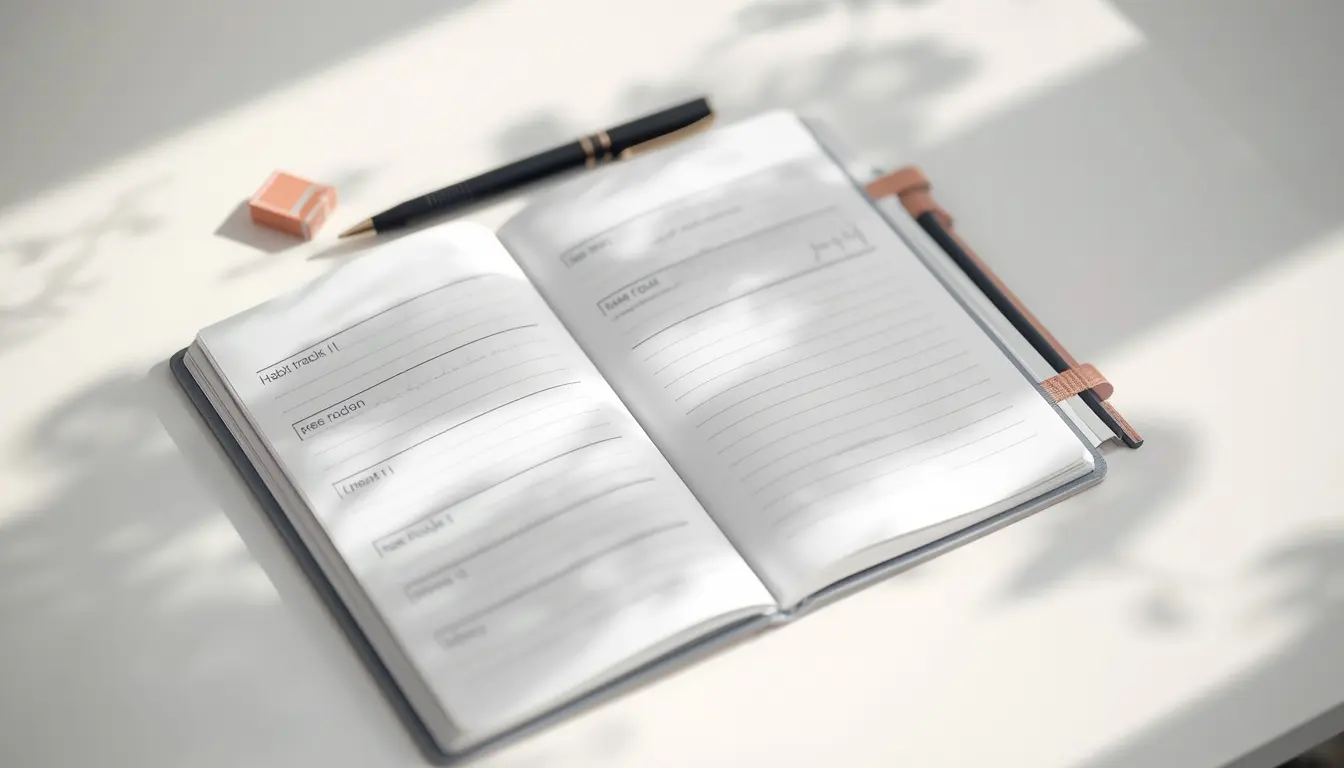
This can look like laying out tomorrow’s clothes the night before, automating a bill or a grocery order so it stops requiring a decision each week, or keeping a simple habit tracker where the only job is coloring in a small box. None of these choices require motivation in the moment they happen. They simply make the disciplined choice slightly easier than the alternative, which matters more than it sounds like it should.
Change the Voice in Your Head
The language you use with yourself shapes how sustainable a habit feels. “I have to” carries pressure and resistance built into it. “I choose to” tends to land differently, even when describing the exact same action. Small shifts like this, from command to invitation, from obligation to intention, quietly change how much internal resistance a habit creates every time you return to it.
This matters because self-talk that sounds like pressure tends to produce short bursts of intensity followed by collapse, while self-talk that sounds more like partnership tends to produce the kind of steady rhythm that actually lasts.
Let Missing a Day Be Just That, a Missed Day
Perhaps the most common way discipline quietly falls apart is not the first missed day itself, but what happens right after it. One skipped workout or one broken streak rarely derails anything on its own. What derails progress is the story that follows: the all or nothing thinking that treats one missed day as proof the whole effort has failed, which then makes quitting feel like the only logical next step.
Treat a missed day as information, not a verdict. Ask what got in the way, adjust if needed, and begin again the next day without turning it into evidence against yourself. Consistency measured over months looks nothing like a flawless streak. It looks like showing up most days, forgiving the days you could not, and simply continuing anyway.
Discipline Should Serve the Life You Actually Want
It is worth occasionally stepping back and asking a quieter question underneath all of this: why does this particular habit matter to you in the first place? Discipline built on comparison, guilt, or pressure from the outside tends to burn out fast, precisely because it was never really yours to begin with. Discipline rooted in something you genuinely care about tends to hold up far longer, even on the harder days.
If a habit ever starts taking more from your life than it gives back, that is worth noticing rather than pushing through automatically. Discipline is meant to build the life you want, not become another source of pressure layered on top of it. Sustainable effort, chosen for the right reasons and paired with real rest, tends to carry people much further than intensity ever does.