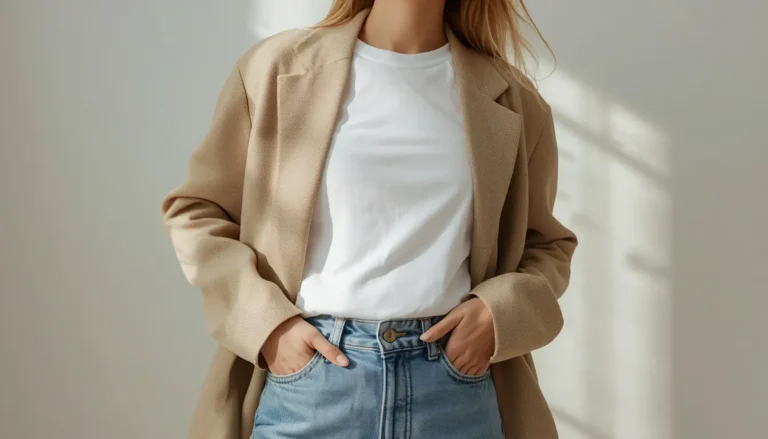
How to Update Your Style Without Buying a Whole New Wardrobe
That restless feeling of having a full closet with “nothing to wear” rarely means you actually need more clothes. More often, it means the same handful of outfit formulas have been repeated so often that everything feels stale, even pieces you once loved. Updating your style does not require a shopping trip. It requires looking at what you already own with fresh eyes and a slightly different approach.
The Quick Answer
You can update your style without buying anything new by restyling existing pieces in unfamiliar combinations, changing your accessories, having a few key items altered to fit better, and rotating forgotten clothes back into regular use. The goal is not to acquire more, but to break the repetitive styling habits that make even good clothes feel boring.
Step 1: Identify Your Repeated Outfit Formulas
Most people default to the same two or three outfit patterns without realizing it. Jeans with a fitted top. Leggings with an oversized sweatshirt. A blazer over a basic tee. When you style pieces the same way every time, even well-made clothes eventually start to feel uninspiring, not because they stopped working, but because the formula never changes.
Spend a day paying attention to your own patterns. Notice which silhouettes, colors, and pairings you default to automatically. Once you can name the formula, it becomes much easier to intentionally break it. If your usual approach is fitted on fitted, try balancing proportions differently instead, such as a looser top with slim trousers or a structured jacket over something soft. This kind of habit awareness is closely tied to understanding your personal style, since style development often comes from noticing these patterns rather than buying your way out of them.
Step 2: Restyle What You Already Own
Before assuming a piece is boring, ask honestly whether you have actually styled it differently, or simply worn it the same way every time. A few practical ways to create new combinations from existing pieces:
- Layer a turtleneck or fitted top under a sundress or slip dress for a completely different silhouette
- Pair unexpected textures together, such as a structured blazer over a soft knit
- Try tucking, French tucking, or half tucking a top you normally wear loose
- Mix formal and casual pieces, like a tailored blazer with relaxed denim
- Experiment with proportion by belting an oversized shirt or rolling sleeves differently
A blazer worn the same way for months can feel entirely new with a different pair of trousers underneath it, and a simple dress can take on another identity entirely with the right layering piece on top.
Step 3: Let Accessories Do the Heavy Lifting
Accessories are one of the most overlooked and most effective tools for refreshing an outfit without spending money on clothing at all. A belt, scarf, or bag pulled from the back of a drawer can shift the entire feel of a basic outfit.
Consider rotating in:
- A belt to define the waist on an oversized piece
- Layered necklaces or a single statement piece to change the neckline’s focus
- A scarf worn as a headband, neck accessory, or tied to a bag
- Switching out the same everyday bag for a different silhouette, which changes the entire tone of an outfit
If you already have a well chosen handbag suited to your lifestyle, rotating between it and even one other bag style you own can noticeably shift how repetitive your outfits feel, without adding a single new clothing item.
Step 4: Fix What Almost Fits
A surprising number of closet items go unworn not because they are unwanted, but because of a small fit issue that was never addressed. Pants that are slightly too long, a blouse that is a touch too loose, or a dress that needs a simple hem adjustment often sit untouched for this exact reason.
Bringing a few key pieces to a tailor is one of the highest impact, lowest cost ways to refresh a wardrobe. Getting minor alterations done can make an existing piece feel brand new again, often for a fraction of what a replacement item would cost. Common fixes worth prioritizing include hemming pants, taking in a waist, shortening sleeves, and replacing missing buttons.
Step 5: Rotate and Reorganize Instead of Replacing
Clothes that sit at the back of a closet or in a bottom drawer are easy to forget entirely. A simple seasonal rotation, where you physically move recently worn items to the front and pull older, forgotten pieces forward, can make a wardrobe feel refreshed purely through visibility.
While reorganizing, sort everything into three honest categories: pieces you genuinely love and reach for, pieces that need a small repair or alteration, and pieces that no longer serve you. This process alone, separate from the seasonal transition from winter to spring wardrobes, often reveals several forgotten favorites that had simply been buried out of sight.
Step 6: Try a Clothing Swap Instead of Shopping
If you are craving genuinely new pieces without spending money, a clothing swap with friends or family is one of the most effective options. Everyone brings items they no longer wear, and the result is new to you clothing at no cost, without contributing to unnecessary waste. It also tends to introduce pieces and styles you would not have picked out for yourself, which can push your personal style in interesting new directions.
Why Subtracting Sometimes Works Better Than Adding
It may seem counterintuitive, but removing items from a wardrobe can be just as effective at refreshing your style as adding them. A closet packed with pieces that never quite worked, or that are difficult to build outfits around, makes it harder to see and appreciate what actually functions well. Editing down to the pieces you genuinely love creates more visual clarity, which in turn makes it easier to style what remains with more confidence and creativity.
Frequently Asked Questions
How can I make my wardrobe feel new without spending money?
Focus on restyling existing pieces in new combinations, rotating in different accessories, and bringing a few key items to a tailor for small fixes. These changes create noticeable variety without a single new purchase.
Why does my wardrobe feel boring even though I have a lot of clothes?
This usually happens because the same styling habits are repeated regardless of how many pieces are available. The issue is often the formula, not the quantity of clothing.
Are alterations worth the cost for older clothes?
Yes, in most cases. A small tailoring cost to fix fit issues is typically far less expensive than replacing the item, and it can make a piece wearable again for years.