What Is Color Analysis and How to Find Your Best Colors
Hold a piece of camel colored fabric up to your face, then swap it for icy blue, and watch what happens. On one person, the camel makes their skin glow and their eyes look brighter. On another, the same fabric leaves them looking washed out and tired, while the icy blue does the flattering instead. Neither fabric is objectively better. Color analysis is simply the practice of figuring out which one is better for you specifically, based on your own natural coloring.
What Color Analysis Actually Is
Color analysis, sometimes called personal or seasonal color analysis, identifies which colors harmonize best with your natural skin, eyes, and hair, working together rather than any single feature in isolation. Instead of guessing through trial and error, it breaks your coloring down into three measurable dimensions, and once you understand them, choosing flattering colors stops being a matter of luck.
The Three Dimensions Behind Every Palette
Every color analysis system, no matter how simple or elaborate, rests on the same three underlying qualities.
- Undertone is the underlying warmth or coolness beneath your skin’s surface color, and it is the most influential factor of the three. It does not change with a tan or the season, unlike your visible skin tone, which can shift throughout the year.
- Value refers to how light or deep your overall coloring reads, taking your skin, hair, and eyes together rather than any one feature alone.
- Chroma describes whether your coloring leans toward soft and muted or clear and bright, which determines whether saturated, vivid colors or gentler, blended ones suit you better.
Together, these three qualities place most people into one of four broad seasonal categories, sometimes divided further into twelve more specific ones for extra precision.
Find Your Undertone First
Since undertone carries the most weight, it is the logical starting point, and a few simple home tests can point you in the right direction without needing any special tools.
- The vein test: look at the veins on the inside of your wrist in natural light. Veins that appear more blue or purple suggest a cool undertone, while veins that lean green suggest a warm one. Veins that look like a blend of both often indicate a neutral undertone.
- The metal test: hold silver jewelry and gold jewelry up to your face separately. If silver makes your complexion look brighter and more alive, you likely lean cool. If gold does the same job instead, you likely lean warm.
- The fabric test: hold a piece of pure white fabric against your face, then switch to a warmer cream or ivory. Cool undertones generally look best against true white, while warm undertones tend to glow more against cream.
If the results genuinely feel mixed across these three tests, a neutral undertone is entirely possible, and it simply means you have a bit more flexibility across both warm and cool colors than someone with a clearly defined undertone would.
The Four Seasons, in Plain Terms
Once you have a sense of your undertone, value, and chroma, you can place yourself into one of the four classic seasonal palettes.
- Spring combines a warm undertone with lighter, brighter coloring. Clear, warm shades like coral, warm yellow, and peach tend to suit this palette particularly well.
- Summer combines a cool undertone with softer, more muted coloring. Gentle, blended shades like dusty rose, soft lavender, and muted blue tend to flatter this palette most.
- Autumn combines a warm undertone with deeper, richer coloring. Earthy, warm shades like mustard, rust, and olive tend to work beautifully here.
- Winter combines a cool undertone with deeper, high contrast coloring. Bold, clear shades like true red, cobalt blue, and icy pastels tend to suit this palette best.
It is worth remembering that these four categories are a helpful starting framework, not a rigid box. Many people sit somewhere between two seasons, and that overlap is completely normal rather than a sign you have done the analysis incorrectly.
A Simple Draping Test You Can Do at Home
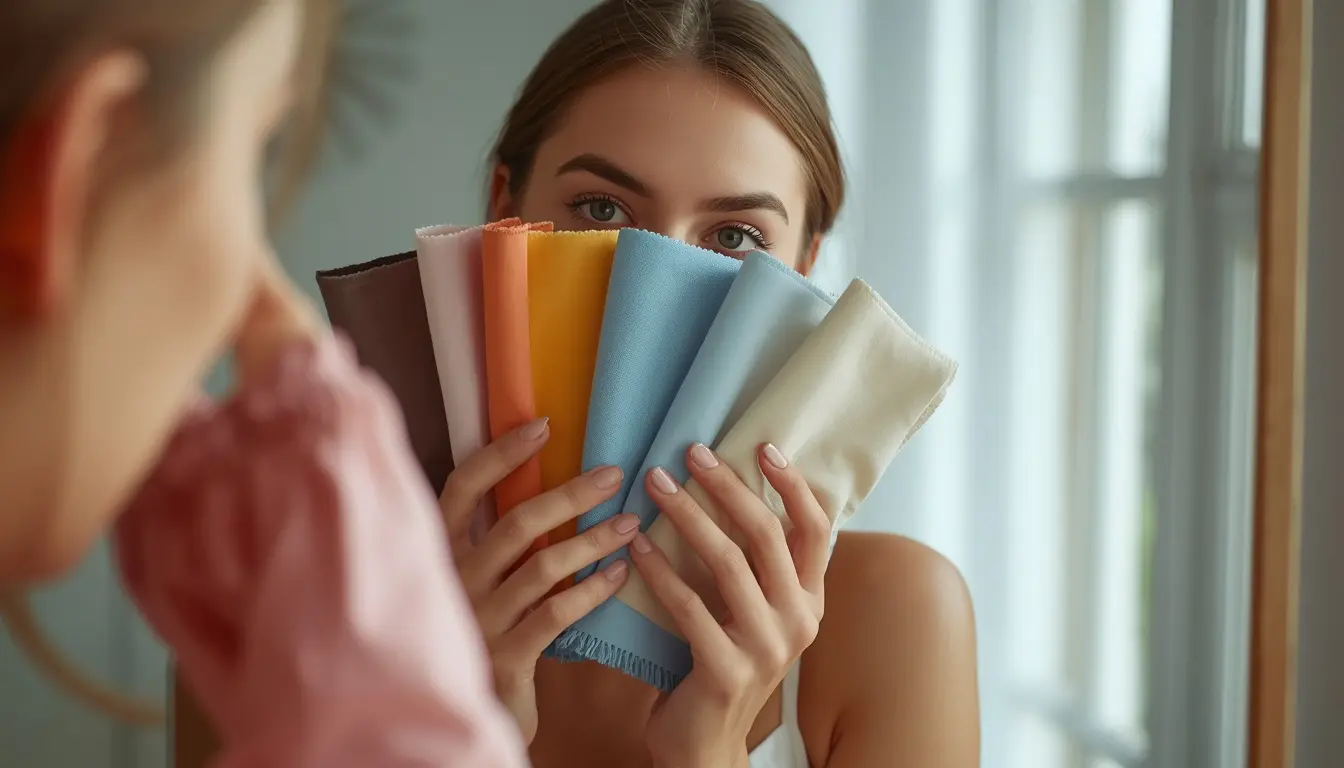
Professional color analysts often use a technique called draping, holding different colored fabrics up under your chin in natural light and observing the effect on your whole face. You can approximate this at home using scarves, fabric swatches, or even different colored tops you already own. Look specifically at whether a color makes your skin appear more even and your eyes brighter, or whether it flattens your complexion and draws attention to shadows or unevenness instead. The right colors tend to make you look more awake and healthy without you consciously knowing why, while the wrong ones can make you look tired even on a good day.
What Color Analysis Does Not Mean
Finding your season does not mean every other color is suddenly off limits. It simply means the colors within your palette require the least effort to look genuinely flattering, while colors outside it may need a bit more consideration, perhaps kept further from your face, or balanced with jewelry, makeup, or your palette’s colors nearby. This same principle of working with your natural features rather than against them is closely related to understanding your body shape, since both are ultimately about dressing in a way that highlights what you already have rather than fighting it.
Beyond Clothing: Where Else Your Palette Helps
Once you know your general palette, it extends naturally beyond clothing into makeup shade choices, jewelry metal tones, and even hair color decisions if you color your hair. The same warm or cool logic that determines whether gold or silver jewelry flatters you more also applies to choosing sunglasses, lipstick shades, and foundation undertones, making this one piece of self knowledge genuinely useful across several different style decisions at once.
If You Want a More Precise Answer
Home tests give a genuinely useful starting point, but if you want more precision, a professional color analyst can assess your coloring in person under controlled lighting, which removes some of the guesswork that comes with testing at home. Several apps and online quizzes also offer a faster, more casual starting point if you are simply curious rather than looking for a fully precise result.
Frequently Asked Questions
What if my results are different across the vein, metal, and fabric tests?
Mixed results across these tests often point to a neutral undertone, which genuinely gives you more flexibility to wear both warm and cool colors comfortably, rather than being confined tightly to just one side.
Does color analysis mean I can never wear certain colors again?
No. It simply identifies which colors require the least effort to look flattering on you specifically. Colors outside your palette can still work, often with small adjustments like distance from your face or paired accessories.
Can my color season change over time?
Your underlying undertone stays fairly constant throughout life, though visible skin tone can shift with sun exposure or aging, and hair color changes, whether natural or dyed, can shift which palette flatters you most in practice.
Is seasonal color analysis based on real evidence, or is it just a trend?
The core underlying idea, that colors interact differently with different underlying skin tones, is genuinely grounded in how human vision perceives contrast and color. The specific four or twelve season labeling system is a styling framework built on top of that basic principle, rather than a strict scientific classification.
Do I need a professional analysis, or are home tests enough?
Home tests are genuinely useful for most people and cost nothing. A professional analysis adds more precision and can be worth it if you are making a significant wardrobe investment or simply want a definitive answer without the trial and error.