How to Dress for Your Body Shape With Confidence
Dressing for your body shape is not about hiding anything or forcing yourself into a rigid set of rules. It is about understanding your natural proportions well enough to make styling choices that feel balanced, comfortable, and genuinely your own. Once you know your shape, choosing what to wear stops feeling like guesswork.
The Quick Answer
To dress for your body shape with confidence, identify whether your proportions lean toward pear, hourglass, apple, rectangle, or inverted triangle, then choose silhouettes that either balance your proportions or highlight your natural waist definition. Most people are a blend of two shapes rather than a single category, so the goal is working with your dominant characteristics rather than fitting perfectly into one label.
Step 1: Determine Your Body Shape
The most accurate way to identify your body shape is with a measuring tape rather than guessing from the mirror alone. Take four measurements while wearing fitted clothing.
- Shoulders: the widest point across your shoulders
- Bust: the fullest part of your bust; tape relaxed rather than tight
- Waist: the narrowest part of your midsection, usually just above the belly button
- Hips: the fullest part of your hips and glutes
Once you have these numbers, compare them against each other to identify your dominant shape.
Pear shape describes hips that are noticeably wider than the shoulders and bust, with a narrower upper body and a defined waist.
Hourglass shape describes a bust and hips that are close in width, with a clearly defined waist, generally at least twenty five percent smaller than the bust and hip measurements.
Apple shape describes a broader upper body, with weight carried around the midsection and a less defined waist, often paired with slimmer legs.
Rectangle shape describes shoulders, waist, and hips that are all fairly similar in width, with minimal curve definition throughout.
Inverted triangle shape describes shoulders that are wider than the hips, creating a broader upper body that narrows toward the lower half.
It is completely normal to fall between two categories rather than matching one perfectly. Bone structure tends to stay fixed, but weight distribution can shift with age, muscle changes, and life stage, which can move where a body carries volume over time.
Step 2: Dress for a Pear Shape
The goal for a pear shape is to draw visual attention upward and toward the waist, balancing the proportion between a narrower upper body and fuller hips.
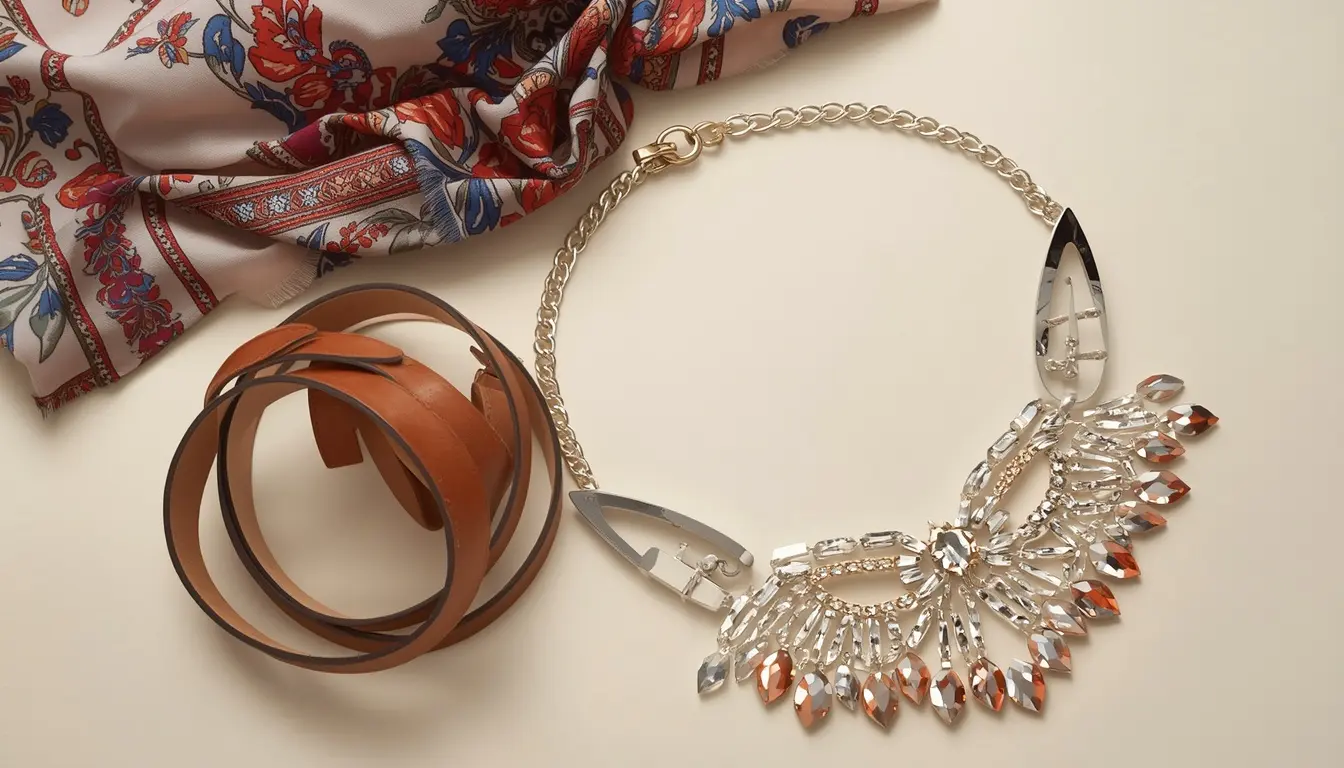
- Structured tops, statement necklaces, and detailed necklines add visual weight to the shoulders and upper body
- A-line skirts and bootcut or flared trousers create a gentle line that balances hip width rather than clinging to it
- Defined waist styles, such as wrap tops or belted pieces, highlight one of this shape’s strongest features
- Darker, simpler bottoms paired with more detailed or lighter colored tops help shift visual focus upward
Step 3: Dress for an Hourglass Shape
For an hourglass shape, the main styling goal is simply to highlight the waist rather than hide it under shapeless cuts.
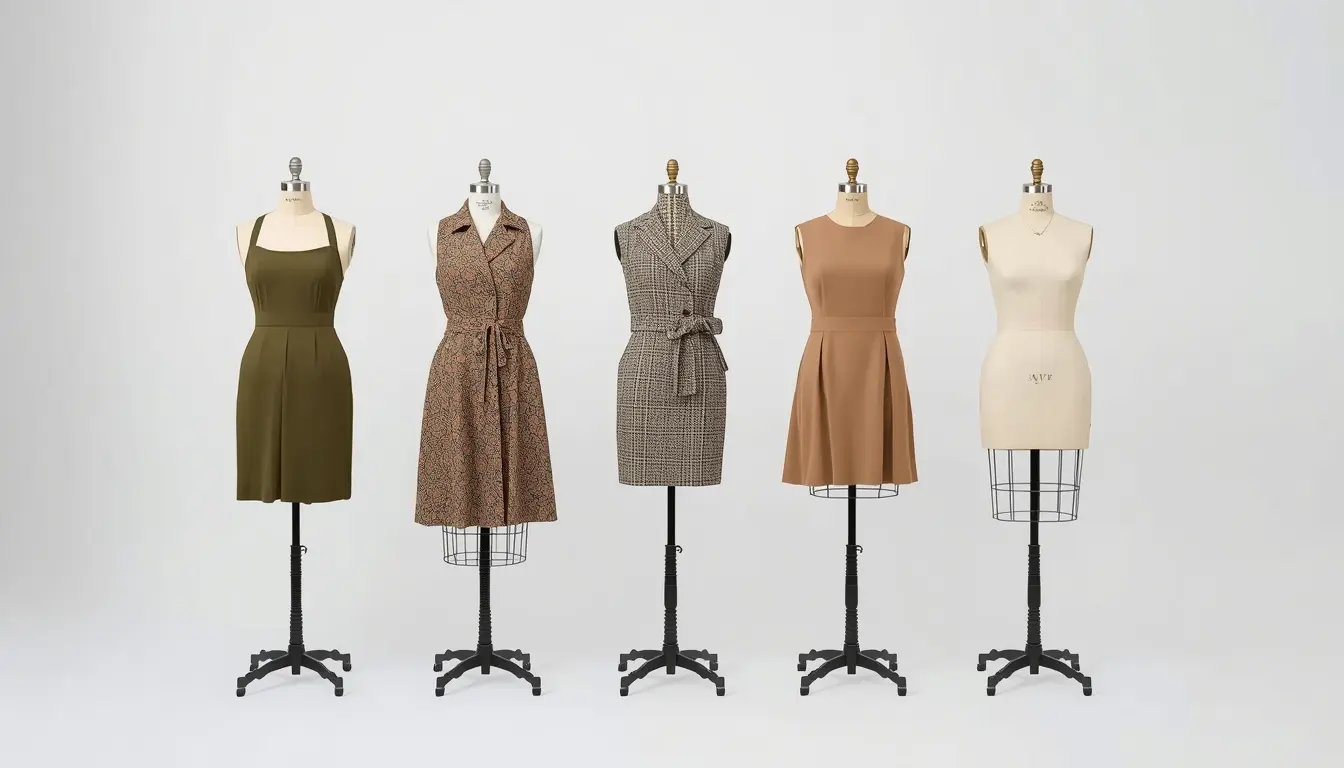
- Wrap dresses, belted coats, and fitted tops that nip in at the waist emphasize this shape’s most defined feature
- High waisted trousers and skirts naturally accentuate waist definition without needing an additional belt
- Simple styling tricks, such as knotting a shirt at the front or rolling sleeves to the elbow, draw the eye toward the waistline
- Boxy, oversized silhouettes tend to work against this shape by concealing the natural waist rather than working with it
Step 4: Dress for an Apple Shape
An apple shape benefits from elongating the torso and drawing attention toward the neckline and legs rather than the midsection.
- V-neck tops create a longer visual line down the torso and soften a fuller midsection
- A-line dresses and fluid, non clingy fabrics skim over the waist rather than pulling tight against it
- Structured shoulders or statement sleeves can add balance to the upper body without adding bulk at the waist
- Avoiding tight, clingy fabric directly at the midsection tends to be more flattering than trying to compress it
Step 5: Dress for a Rectangle Shape
Since a rectangle shape has minimal natural waist definition, the main styling goal is creating the appearance of curves rather than concealing the shape’s straight lines.
- Peplum tops and dresses add volume at the hip and waist area, introducing curve where the body is naturally straighter
- Belts worn at the natural waist create definition that would otherwise be absent
- Cinched or wrap style dresses build in waist shaping through the garment itself
- Straight column silhouettes with no waist detail tend to emphasize the lack of curve rather than flattering it
Step 6: Dress for an Inverted Triangle Shape
An inverted triangle shape benefits from balancing broader shoulders with more volume or flow through the lower half of an outfit.
- Wider leg trousers, A-line skirts, and fuller hemlines add visual weight below the waist to offset broader shoulders
- Simpler, less embellished necklines and tops avoid adding further width to the shoulder line
- Details placed at the hip or hemline, rather than the shoulders, help create a more balanced silhouette overall
Accessories Play a Bigger Role Than Most People Expect
Accessories are one of the easiest tools for reinforcing whichever balance you are working toward, without needing to change your clothing at all. A belt can instantly add waist definition to a rectangle or apple shape, while a statement necklace or scarf can shift focus upward for a pear shape. If you have not yet worked through how to choose accessories that support your lifestyle and proportions, even something as simple as bag size and placement can subtly reinforce the silhouette you are building.
Confidence Matters More Than Following Every Rule
None of these guidelines are meant to be followed rigidly. They are starting points for understanding your proportions, not restrictions on what you are allowed to wear. The most consistently flattering factor in any outfit is genuine confidence in how you carry it, which tends to matter more than whether every styling rule was technically followed. Once you understand your shape well enough to make informed choices, dressing with confidence becomes far easier, and building that awareness pairs naturally with the process of finding your personal style more broadly.