TimeWarp TaskUs: What It Is and Everything You Should Know
TimeWarp TaskUs is the internal workforce management and time-tracking platform used by TaskUs, a publicly traded business process outsourcing company. It is not a public app or a productivity tool anyone can sign up for. It is a secure, login-gated system built exclusively for TaskUs employees, and understanding this one fact clears up most of the confusion surrounding the term.
What Is TimeWarp TaskUs?
TimeWarp is TaskUs’s internal platform for tracking employee attendance, work schedules, and shift-related activity. Across the dozens of guides currently published about this term, one detail stays genuinely consistent regardless of the source: TimeWarp functions as a time tracking and workforce management system, accessible only to authorized TaskUs personnel through a secure login.
What you will not find is any official, public documentation describing its exact internal interface or every specific feature, and that is expected. A company’s internal workforce software is not meant to be publicly documented the way a consumer app would be, which is also why so much of what circulates online about TimeWarp reads as vague or speculative rather than authoritative.
Understanding TaskUs as a Company
Context matters here, since TimeWarp only makes sense once you understand the company behind it. TaskUs is a real, publicly traded business process outsourcing and digital customer experience company, founded in 2008 by Bryce Maddock and Jaspar Weir. The company went public on the Nasdaq in June 2021 under the ticker symbol TASK, and it provides outsourced services including customer support, trust and safety, content moderation, and AI data operations for a range of well-known technology companies.
TaskUs’s Global Footprint
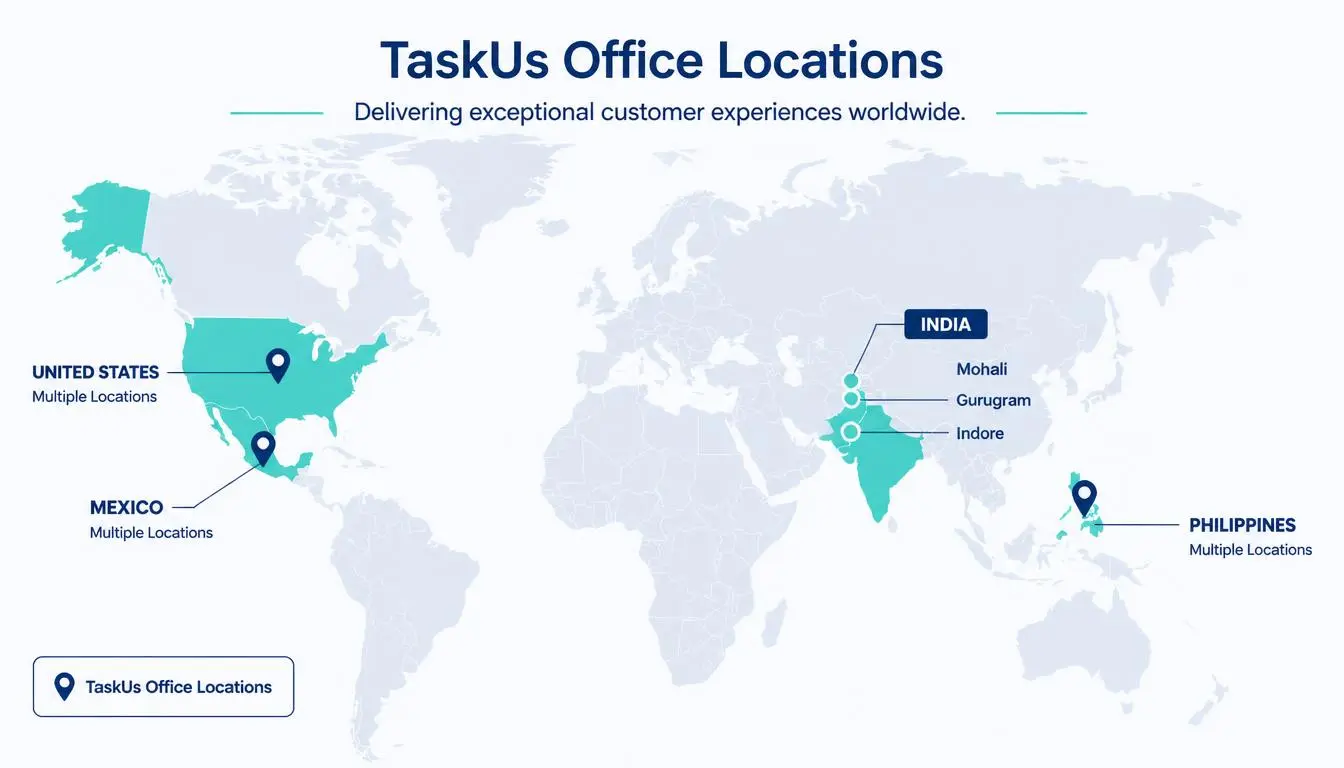
TaskUs operates across a dozen or more countries, including the Philippines, the United States, Mexico, Taiwan, and India, with a workforce that has grown into the tens of thousands of employees worldwide as the company has expanded.
TaskUs in India
India represents a significant part of TaskUs’s operations, with office locations including Indore, where the company first expanded into the country in 2019, along with Gurugram and Mohali. If you have come across search terms like taskus indore, taskus gurgaon, or taskus mohali, these all refer to genuine TaskUs office locations in India, which is also why a large share of TimeWarp related searches come specifically from Indian users, many of them current or prospective employees at these sites.
What TimeWarp Is Actually Used For
Based on consistent, cross-referenced descriptions, TimeWarp functions as a centralized system for the kind of day to day workforce tasks every large employer needs to manage somehow: recording when employees clock in and out, tracking scheduled shifts, and maintaining attendance records that ultimately feed into payroll. This is a standard category of enterprise software, often called workforce management or time and attendance software, used broadly across large companies that manage shift based, often around the clock operations, which accurately describes TaskUs’s business process outsourcing model.
Beyond the exact screens and specific workflows, which genuinely cannot be verified publicly, the broader purpose is straightforward: replacing manual, error prone attendance tracking with a digital, centralized system, which is exactly the kind of tool a company operating shift based teams across many countries and time zones would need.
Is TimeWarp TaskUs Available to the Public?
No. This is worth stating clearly, since a small number of articles online incorrectly describe TimeWarp as a general productivity tool available to “businesses, entrepreneurs, and individuals.” That description does not match the consistent, cross-verified picture from the majority of sources, nor does it match how the login system itself is built. TimeWarp is restricted to TaskUs employees and authorized personnel, accessed through company issued credentials rather than a public signup process.
TimeWarp TaskUs Login: What to Actually Know
TimeWarp’s login system uses PingID, a widely used enterprise single sign-on and multi-factor authentication product built by Ping Identity, a genuine, established identity security company used by large organizations across many industries, not something specific to TaskUs. PingID typically requires a username and password combination followed by a second verification step, commonly a push notification approved on a registered mobile device, which is a standard, secure practice for any company managing sensitive employee and payroll data.
Some search activity around this topic also references region specific login addresses, such as a Singapore specific portal, which is a normal pattern for a company managing employee access across different countries and business units, rather than anything unusual.
General Login Troubleshooting Worth Knowing
While the exact internal workings of TimeWarp cannot be verified publicly, the underlying login technology, PingID based single sign-on, is extremely well documented and behaves consistently across the many companies that use it. If you are having trouble accessing a PingID protected system, a few genuinely reliable steps apply broadly:
Confirm you are entering your credentials on your employer’s official login page rather than a link from an unfamiliar site, email, or social post, since login pages for internal company systems are a common target for phishing attempts, a pattern covered in more depth in how to spot a phishing email. Check that your registered device for push notification approval is the one actually in your possession, since a lost or replaced phone is one of the most common reasons MFA based logins fail. If a password reset is needed, use your company’s official IT or helpdesk channel rather than a third party site claiming to offer login assistance. And if none of this resolves the issue, the only genuinely reliable next step is contacting your actual manager, HR representative, or internal IT support directly, since they are the only people with real visibility into your specific account and access level.
Why Do So Many Different Search Terms Point to the Same System?
If you have seen variations like taskus timewarp, time warp taskus, timewarp.taskus, or timewarp taskus login, these are simply different ways people naturally phrase the same search, word order swapped, a domain style version, or a specific task like logging in added on. All of these point back to the same underlying internal system, and the variation mostly reflects how people type rather than any meaningful difference between the terms themselves.
What New or Prospective TaskUs Employees Should Actually Do
If you are starting a new role at TaskUs, or considering one, the most reliable source of information about TimeWarp, or any internal system, will always be TaskUs itself, through your official onboarding materials, your manager, or your HR contact, rather than any independent article, including this one. Internal company tools are explained during onboarding precisely because the exact details, specific screens, specific workflows, occasionally change, and only your actual employer can confirm what the system currently looks like for your specific role and location.
What a guide like this one can genuinely offer is accurate context: understanding what kind of company TaskUs is, what category of tool TimeWarp belongs to, and how to handle the login process safely and sensibly, all of which remains true and useful regardless of small interface details that shift over time.
A Note on Why Online Information About TimeWarp Is So Inconsistent
It is worth being transparent about something: a significant amount of content currently published about TimeWarp TaskUs describes specific features, step by step workflows, and detailed interface screens with real sounding confidence, despite TimeWarp being a private, internal system with no public documentation to verify any of it against. Several of these articles even contradict each other on basic facts, including whether the platform is restricted to TaskUs employees at all. This guide has intentionally stayed within what is genuinely consistent and verifiable across multiple independent sources, rather than inventing specific internal details that cannot actually be confirmed, since an internal corporate system’s real interface is something only current employees, not outside articles, can accurately describe.
Frequently Asked Questions
What is TimeWarp TaskUs used for?
TimeWarp is TaskUs’s internal platform for tracking employee attendance, work schedules, and shift related activity, functioning as the company’s workforce management and time tracking system.
Can anyone outside TaskUs use TimeWarp?
No. TimeWarp is restricted to TaskUs employees and authorized personnel, accessed through company issued credentials rather than any public signup process.
What login system does TimeWarp TaskUs use?
TimeWarp uses PingID, a widely adopted enterprise single sign-on and multi-factor authentication product, requiring a username and password along with a second verification step for secure access.
I am having trouble logging into TimeWarp. What should I do?
Confirm you are on your employer’s official login page, check that your registered device for authentication is the one you currently have access to, and if the issue continues, contact your manager or your company’s internal IT support directly, since they are the only reliable source for account specific help.
Why do different articles about TimeWarp TaskUs say different things?
TimeWarp is a private, internal system with no public documentation, which means much of the content published about it online is speculative rather than verified. This guide focuses specifically on what is genuinely consistent across multiple independent sources rather than unverifiable specific details.
Is TaskUs a real company?
Yes. TaskUs is a publicly traded business process outsourcing and digital customer experience company, founded in 2008, listed on the Nasdaq under the ticker symbol TASK, with operations across more than a dozen countries including significant offices in India.