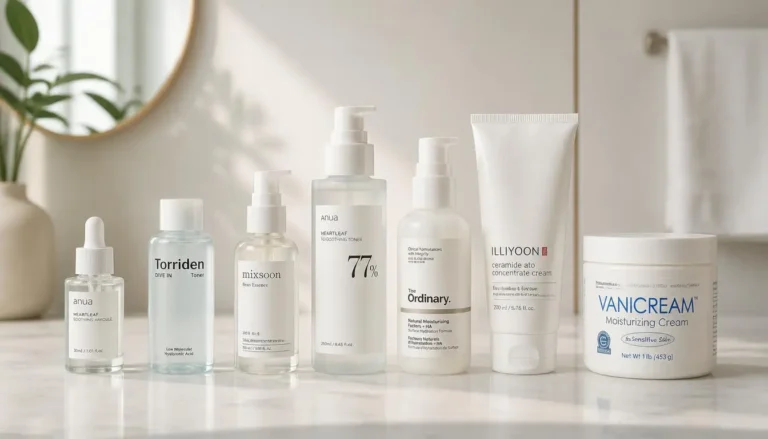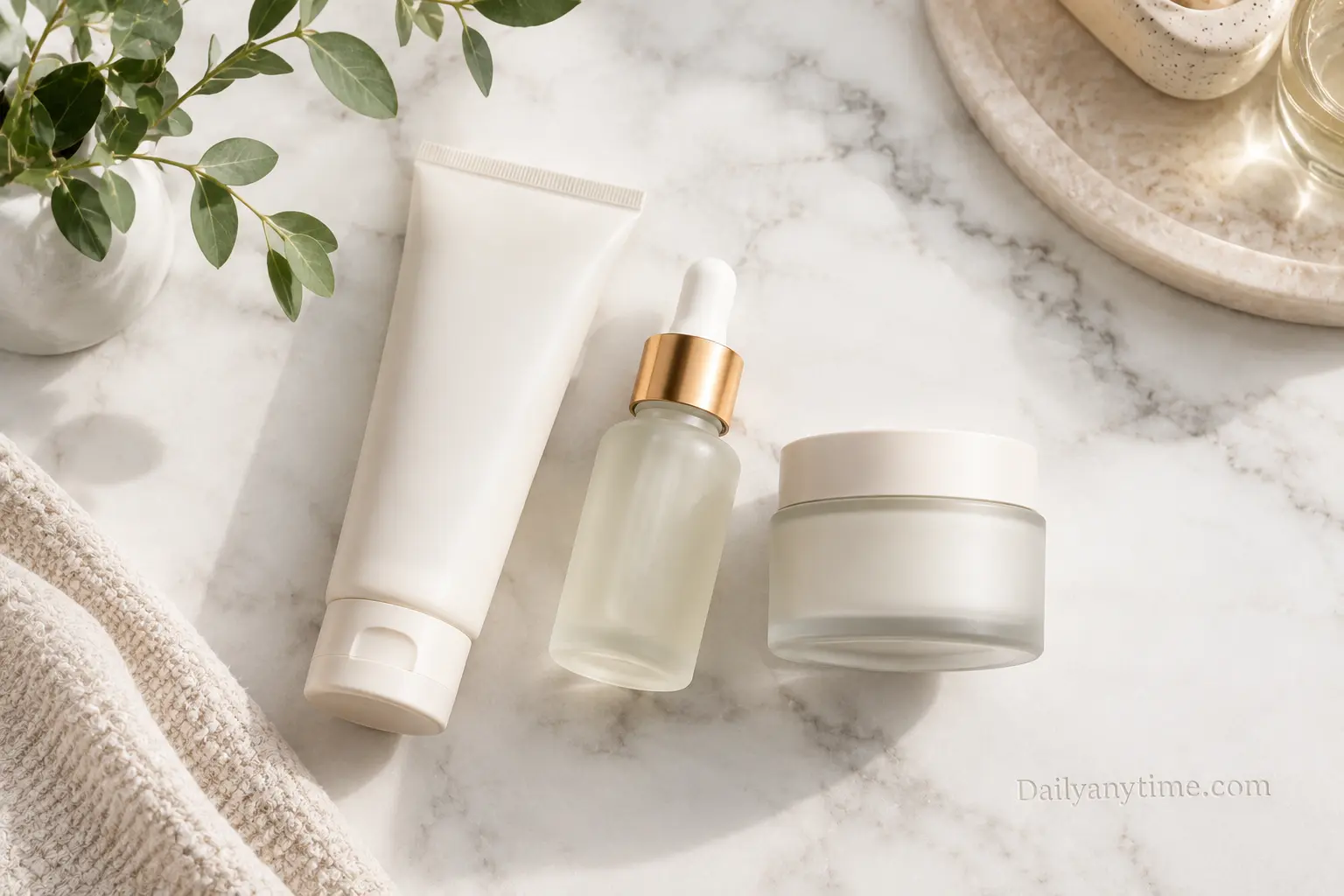
How to Build a Simple Skincare Routine for Beginners
Walking into a skincare aisle or scrolling through step-by-step routines online can make skincare feel far more complicated than it actually needs to be. The truth, backed by dermatologists and skin experts alike, is that a simple, consistent routine built around a few core steps does more for your skin than an elaborate one you cannot realistically maintain. Building a beginner routine is less about buying the right products and more about understanding what your skin actually needs.
The Quick Answer
A simple beginner skincare routine has three core steps: cleanse, treat, and moisturize, with sunscreen added every morning as the final step. Start by identifying your skin type, use a gentle cleanser twice daily, apply products from thinnest to thickest texture, and give any new product several weeks before judging whether it is working. Consistency matters far more than the number of steps in your routine.
Step 1: Figure Out Your Skin Type First
Every skincare decision that follows depends on knowing your skin type, since the wrong products for your type can cause irritation or simply fail to work as intended. A quick way to check is to cleanse your face, wait around twenty minutes without applying anything else, then see how your skin feels.
- If it feels tight or looks dull and flaky, your skin leans dry
- If you notice shine and visible pores, particularly across the forehead, nose, and chin within a few hours, your skin leans oily
- If you see oil in the T-zone but normal to dry patches on the cheeks, you likely have combination skin
- If your skin stings, itches, or reddens easily, especially with new products or fragrance, you likely have sensitive skin
Once you know your type, choosing a cleanser and moisturizer that match it becomes far simpler, and you reduce the risk of irritation from products that were never suited to your skin in the first place.
Step 2: Cleanse Morning and Night
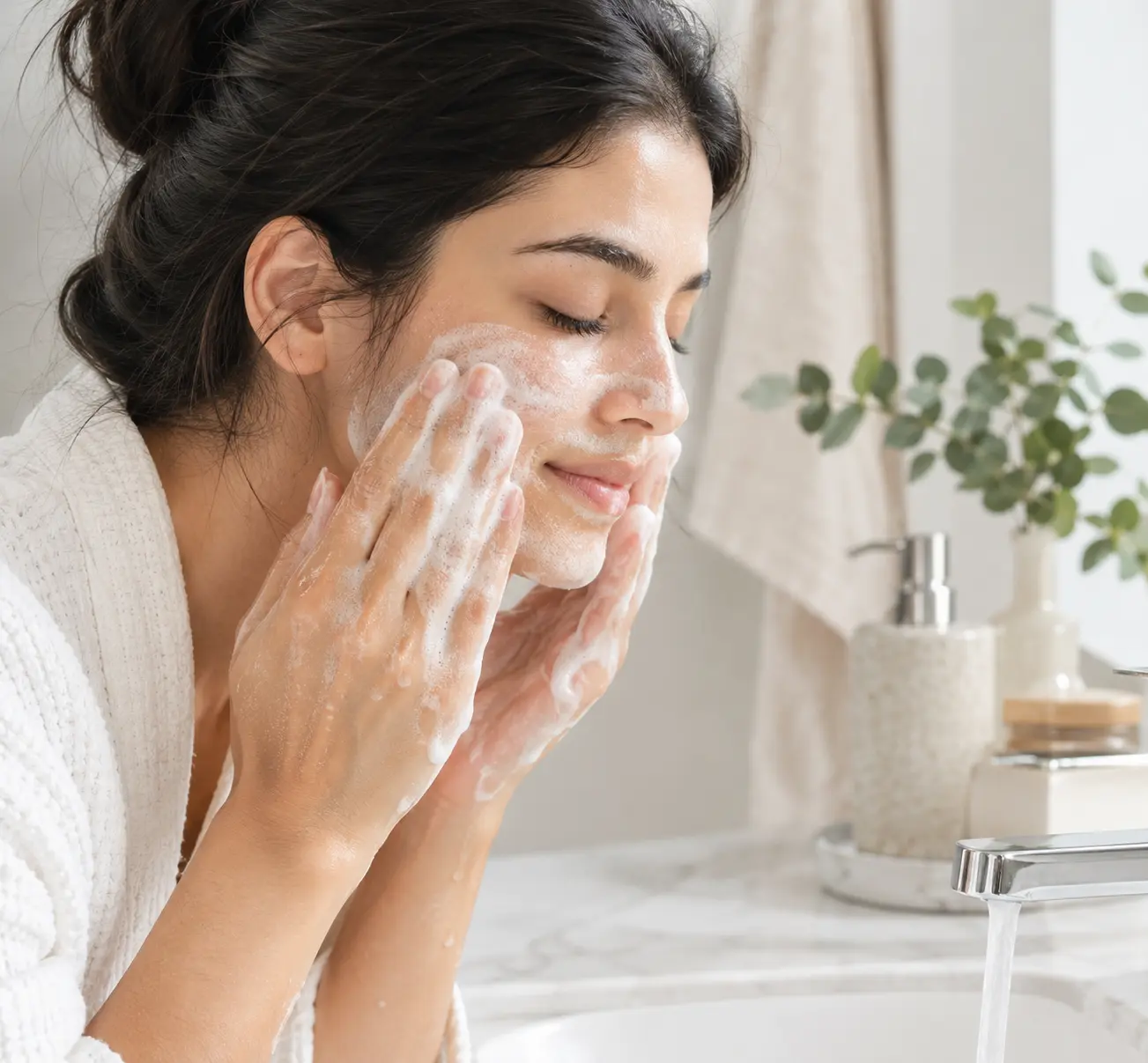
A gentle cleanse removes sweat, oil, dead skin cells, and the buildup of makeup or sunscreen from the day. Skipping this step, or being too aggressive with it, are two of the most common beginner mistakes.
A few practical guidelines:
- Use lukewarm water rather than hot water, which can strip the skin’s natural barrier
- Massage the cleanser in gently rather than scrubbing
- Pat the skin dry with a towel instead of rubbing
- Choose a gel or foaming cleanser for oily or acne prone skin, and a lotion or cream cleanser for dry or sensitive skin
Cleansing twice a day, once in the morning and once at night, is enough for most people. Over cleansing can actually irritate the skin and disrupt its natural balance rather than improving it.
Step 3: Add One Targeted Treatment
Once cleansing is a consistent habit, the next step is a single treatment product aimed at your main concern, whether that is hydration, dullness, or early signs of aging. For beginners, this usually means a gentle serum rather than a strong active ingredient used daily from day one.
If you are introducing a new active ingredient, such as a retinoid or an exfoliating acid, start slowly. Using it just two or three times a week for the first few weeks lets your skin adjust before increasing frequency. This single change alone prevents the majority of irritation that new skincare users run into.
A toner can be added at this stage as well, though it is genuinely optional for most beginners rather than a required step.
Step 4: Seal Everything With Moisturizer
Moisturizer is not just for people with visibly dry skin. It supports the skin barrier for every skin type, including oily skin, and helps lock in the treatment products applied beforehand.
The general application rule that dermatologists recommend is applying products from thinnest to thickest texture. A watery serum goes on before a heavier cream, and a lightweight lotion goes on before a rich night cream, since applying a thick product first can prevent thinner products from absorbing properly afterward.
Step 5: Never Skip Sunscreen in the Morning
If a beginner routine only had room for one non negotiable step beyond cleansing, it would be sunscreen. Daily sun protection is the single most effective step for preventing premature aging and protecting overall skin health, regardless of skin type or tone.
The simplest way to remember the difference between morning and evening routines is that the final step changes. Mornings end with sunscreen. Evenings end with a heavier moisturizer or night cream, since sun protection is not needed while you sleep.
How Long a Beginner Routine Should Take
A complete beginner routine can realistically take under five minutes, twice a day. The full sequence looks like this:
Morning: cleanse, apply a light treatment if using one, moisturize, then finish with sunscreen.
Evening: cleanse, apply your treatment product, then finish with a moisturizer or night cream suited to your skin type.
Resist the urge to add several new products at once. Introducing one new item at a time makes it far easier to identify what is working and what might be causing irritation, and it keeps the whole routine sustainable rather than overwhelming.
Give It Time Before Judging Results
One of the most common reasons beginners abandon a routine is expecting fast results. Most skincare products need consistent use for four to eight weeks, and sometimes up to twelve, before visible changes appear. Staying consistent through this window matters more than switching products every few weeks in search of instant results.
If a specific concern such as persistent acne, unusual reactions, or a skin condition does not improve with a simple routine, that is a sign to consult a dermatologist rather than continuing to experiment with over the counter products alone.
Frequently Asked Questions
What are the minimum steps needed for a beginner skincare routine?
Three steps cover the essentials: cleanse, moisturize, and protect with sunscreen during the day. A treatment product can be added as a fourth step once the basics are consistent.
Do I need a toner as a beginner?
No. A toner is optional and can be added later if you find a specific benefit from it, but it is not required for an effective basic routine.
How do I know if a new skincare product is working?
Give any new product four to eight weeks of consistent use before judging results, since most skincare benefits build gradually rather than appearing immediately.
In what order should I apply skincare products?
Apply products from the thinnest texture to the thickest. A watery serum goes on before a lotion, and a lotion goes on before a heavier cream, so each product can absorb properly.