How to Choose the Right Moisturizer for Your Skin Type
Every moisturizer on the shelf is really just a different ratio of the same three ingredients doing three different jobs. Once you understand what those three jobs are, reading a label stops feeling like guesswork and starts feeling like matching a tool to a task. The right moisturizer for your skin type is not about finding the most expensive jar. It comes down to a handful of ingredients working in the right balance for what your specific skin actually needs, and that balance is something you can learn to spot on any label within a few minutes.
The Three Building Blocks of Every Moisturizer
Nearly every moisturizer is built from some combination of three ingredient categories, and understanding what each one does explains almost everything else in this guide.
- Humectants draw water into the skin, pulling moisture up from deeper layers or from the air around you. Glycerin and hyaluronic acid are common examples. They work best paired with something that seals that moisture in, since in very dry air a humectant used alone can occasionally pull moisture out of the skin rather than into it.
- Emollients smooth and soften the skin’s surface, filling in tiny gaps between skin cells for a softer feel. Squalene and various plant oils fall into this category, and they suit nearly every skin type, though some are richer than others.
- Occlusive sit on top of the skin and form a protective seal that slows water loss. Ingredients like petrolatum and dimethicone are classic occlusive, and while they are especially useful for very dry or compromised skin, they can feel heavy or contribute to clogged pores on oilier skin.
Most moisturizers blend all three in different proportions, and that proportion is exactly what should shift depending on your skin type, the season, and even the time of day you are applying it.
Matching Ingredients to Your Skin Type
Once your skin type is clear, matching ingredients becomes far more straightforward. If you are still unsure which category you fall into, how to figure out your skin type is worth working through first, since everything below depends on getting that starting point right.
| Skin type | What it needs | Ingredients to look for |
|---|---|---|
| Dry | Higher levels of emollients and occlusive, plus humectants for deep hydration | Ceramides, shea butter, squalene, hyaluronic acid |
| Oily | Lightweight, non-comedogenic hydration without heavy oils | Niacinamide, hyaluronic acid, lightweight gel textures |
| Combination | Balanced formulas, or two products used on different zones | Niacinamide, polyglutamic acid, gel-creams |
| Sensitive | Minimal ingredients, fragrance-free, barrier-supportive | Ceramides, colloidal oatmeal, aloe Vera |
| Normal | A balanced, straightforward formula with no specific correction needed | A simple lotion or light cream |
Why Oily Skin Still Needs a Moisturizer
One of the most persistent myths in skincare is that oily skin should skip moisturizer entirely, but it genuinely should not. Skipping it can actually prompt skin to produce more oil to compensate for the lost hydration, which works against the goal rather than helping it. The fix is not avoiding moisturizer, it is choosing a lightweight, oil-free formula, typically a gel or gel-cream built mostly from humectants with minimal heavy emollients or occlusive mixed in.
Combination Skin Deserves Its Own Strategy
Combination skin, an oilier T-zone paired with noticeably drier cheeks, genuinely benefits from treating those two areas differently rather than forcing one single formula to do both jobs equally well. A balanced gel-cream across the whole face works for many people, but applying a slightly richer cream on the cheeks and a lighter gel on the T-zone is a reasonable alternative if a single product never quite satisfies both areas.
Sensitive Skin Responds Best to Simplicity
For sensitive skin, texture matters less than the ingredient list itself. Fragrance-free formulas with a short ingredient list reduce the chances of triggering irritation, and dermatologists commonly suggest looking for something with fewer than ten ingredients total. Soothing additions like colloidal oatmeal or aloe vera can calm reactive skin, while certain humectants, including urea and glycolic acid, can actually aggravate sensitive skin by drawing too aggressively, so they are worth approaching cautiously in this category specifically.
Day Versus Night: Thickness Should Change Too
Beyond skin type, the time of day you apply moisturizer matters for texture. Dermatologists generally recommend a lighter formula during the day and a richer one at night, since daytime moisturizer often needs to sit comfortably under makeup and sunscreen, while nighttime skin can handle, and benefits from, a heavier, more occlusive formula working uninterrupted while you sleep. A moisturizer with built in SPF of at least 30 is worth prioritizing for daytime use regardless of skin type, since sun protection matters for every skin type equally.
Mature Skin Has Its Own Priorities
Skin naturally produces less of its own oil over time, which means a formula that worked comfortably for years can start to feel insufficient. Mature skin generally benefits from richer emollients and stronger barrier support, with ceramides in particular playing a larger role in maintaining that barrier as natural oil production slows. This does not mean reaching for the heaviest cream available. It means paying closer attention to whether your current moisturizer still feels like enough, and being willing to size up in richness as your skin’s own needs shift, the same way you might already be adjusting for the seasons.
Your Face and Your Body Do Not Need the Same Formula
It is worth remembering that facial skin and body skin have different needs, even though it is tempting to reach for a single all purpose lotion for both. Facial skin is thinner and more exposed to daily irritants like makeup, pollution, and frequent product layering, so a lighter, more purposeful formula tends to serve it better. Body skin can generally tolerate a thicker, richer cream without the same concern for clogged pores or interference with other products, which is exactly why a heavier body lotion and a lighter, more targeted face moisturizer often work better as two separate products rather than one doing double duty.
Three Small Habits That Improve Any Moisturizer’s Results
A few simple techniques make almost any moisturizer perform better than it otherwise would.
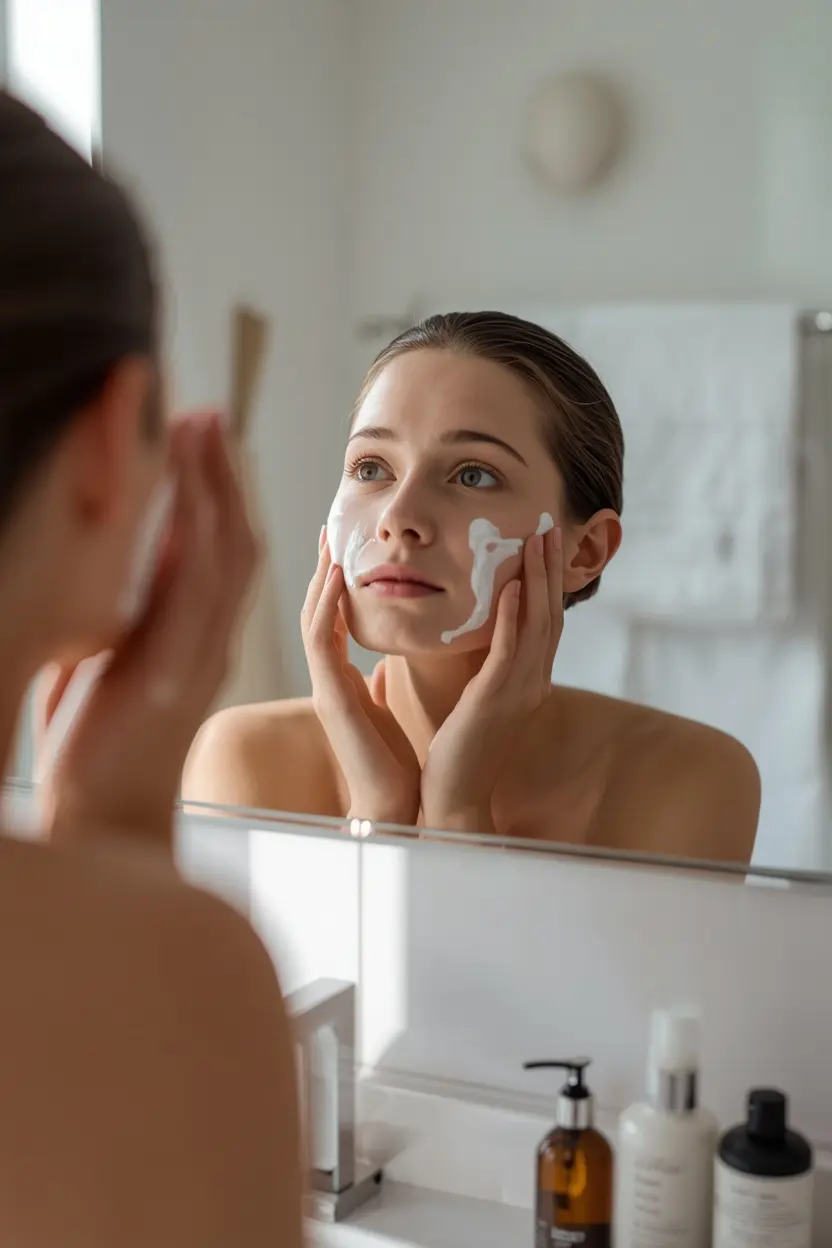
- Apply moisturizer to skin that is still slightly damp, right after cleansing or toning, rather than fully dry. This helps humectant ingredients pull in the water already sitting on your skin’s surface instead of having to draw it up from deeper layers alone.
- Respect the order you apply products in. Moisturizer generally belongs after your water based serums and before any oil or occlusive step, an order explained in more detail in how to layer skincare products in the right order, since applying it at the wrong point in your routine can block thinner, more active products from actually reaching your skin.
- Consider your environment, not just your skin type alone. A humid climate or season may call for a lighter formula than a dry winter does, even for the exact same skin. Adjusting seasonally, rather than assuming one moisturizer should work identically year round, tends to produce noticeably better results.
Quick Reference: What to Reach For
- Dry skin: a rich cream with ceramides, shea butter, and hyaluronic acid
- Oily skin: a lightweight, oil-free gel with niacinamide
- Combination skin: a balanced gel-cream, or two lighter and richer products used on different zones
- Sensitive skin: a fragrance-free formula with a short, simple ingredient list
- Any skin type, daytime: a lighter formula with SPF built in
- Any skin type, nighttime: a richer, more occlusive formula