How to Travel on a Tight Budget Without Feeling Like You’re Missing Out
There is a persistent assumption baked into most budget travel advice: that saving money means quietly settling for less. Skip the nice restaurant, skip the popular season, skip the comfortable hotel, and accept a smaller version of the trip you actually wanted. The more time you spend actually traveling on a tight budget, the more this assumption falls apart. Several of the cheapest choices on a trip turn out to produce the most memorable parts of it, not the weakest ones.
Decide What Actually Matters Before You Cut Anything
Every trip budget breaks down into a few core categories: transportation, accommodation, food, and activities. Rather than cutting evenly across all four, the more effective approach is deciding upfront which one or two of these genuinely matter most to your version of a good trip, then trimming aggressively everywhere else to fund that priority properly.
If incredible food is what makes a trip feel worthwhile to you, budget lodging and public transit free up real money for that priority, rather than spreading thin, unsatisfying compromises across every category equally. If a specific bucket list activity is the actual point of the trip, everything else can flex around funding that one thing properly. Vague, evenly distributed budgeting tends to produce a trip that feels underwhelming everywhere. Deliberate prioritization tends to produce a trip that feels rich exactly where it matters to you.
Off-Peak Travel Is Not a Downgrade, It Is a Different Trip
Traveling during shoulder season or fully off-peak periods gets recommended constantly for the obvious reason: prices for flights and accommodation drop meaningfully outside peak windows. What gets mentioned less often is that the resulting trip is not simply a cheaper version of the peak season experience. It is frequently a better one.
Fewer crowds mean shorter lines at attractions, more available tables at popular restaurants without a reservation, and a noticeably more relaxed pace to a destination that feels frantic and overrun during its busiest weeks. Weather during shoulder season is often still genuinely pleasant, just slightly less predictable than peak summer or holiday windows. The savings are real, but so is the qualitative difference in how a quieter version of a destination actually feels to experience.
Choose the Less Obvious Destination
Every extremely popular destination has a lesser known neighbor offering a comparable experience at a meaningfully lower cost. Smaller cities and towns that sit slightly outside the spotlight tend to have cheaper accommodation, more affordable dining, and lower admission prices across the board, simply because they are not commanding premium prices driven by name recognition alone.
This is not a consolation prize. Lesser known destinations frequently deliver a more genuine sense of a place, without the tourist-oriented pricing and crowd management that dominate a destination’s most famous version of itself. If a specific bucket list city remains the priority, that is a reasonable choice too. But if the goal is flexible and the budget is tight, the less obvious option nearby is worth serious consideration rather than treating it as settling for second best.
Eat and Move Like a Local, Not a Tourist
Dining exclusively at restaurants aimed at visitors is one of the fastest ways to overspend on a trip, and it is also frequently one of the least authentic ways to experience a destination’s actual food culture. Seeking out where locals genuinely eat, casual spots, market stalls, small family run kitchens, tends to cost considerably less than tourist oriented restaurants while offering a more accurate sense of the local cuisine than a menu designed around visitor expectations.
The same logic applies to getting around. Public transportation costs a fraction of taxis or private transfers, and it puts you directly in the middle of a city’s actual daily rhythm in a way that a private car simply does not. Walking, where practical, adds this same benefit at no cost at all. Both options tend to produce more specific, memorable moments than moving through a destination sealed inside a private vehicle.
Free and Nearly Free Activities Deserve Real Consideration
Every destination has a meaningful list of genuinely worthwhile things to do that cost little or nothing: museums with free admission days, public parks and hiking trails, beaches, local festivals, and simply walking through a neighborhood with no fixed agenda. These are not filler activities to pad a day between paid attractions. In many cases, they end up being the specific things travelers remember most clearly once a trip has ended.
Building a portion of any trip itinerary around these free or low-cost experiences, rather than treating every day as a checklist of paid admissions, both protects the budget and tends to produce a more varied, textured sense of a place than a schedule built entirely around ticketed attractions.

Travel With Others to Split Fixed Costs
Many of the biggest expenses on a trip, accommodation in particular, cost roughly the same whether one person or four people are splitting the bill. Traveling with friends or family and dividing lodging, ground transportation, and even groceries across the group can meaningfully lower the per person cost of a trip without lowering its quality at all. A private rental split four ways often ends up cheaper per person than a single hostel bed, while offering considerably more comfort and space.
Book Strategically, Then Stop Checking
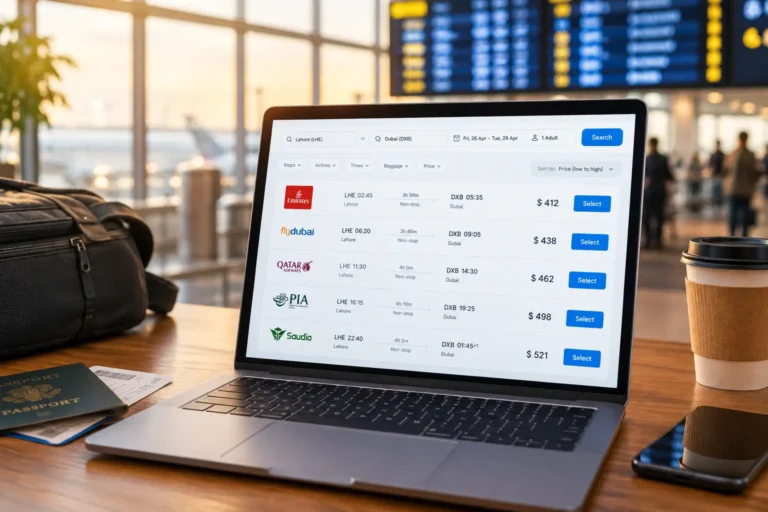
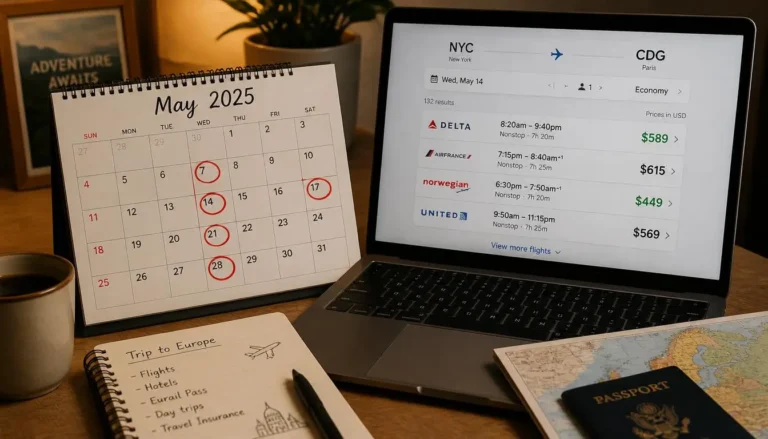
Booking flights well in advance, ideally avoiding weekend departure dates when a midweek option is available, consistently produces better pricing than booking close to a departure date. Setting a price alert for your specific route and then stepping back, rather than checking obsessively, tends to produce better results than manually re-searching flights every day out of anxiety about missing a lower fare.
Packing light adds a final, often overlooked layer of savings, avoiding baggage fees entirely on airlines that charge for checked luggage, while also making the physical experience of moving through a trip noticeably easier.
The Real Reframe
Budget travel done well is not a smaller, sadder version of an expensive trip. It is a different set of choices that frequently produces a more specific, textured, and genuinely memorable experience than the costlier alternative would have. The goal was never deprivation for its own sake. It was directing a limited budget deliberately toward what actually matters to you, while treating the areas you trim as opportunities to travel differently rather than simply as sacrifices.
For more ways to stretch a travel budget without sacrificing the experience, see how to get luxury travel without paying full price, or explore more Travel guides on Daily Anytime.
Frequently Asked Questions
How do I decide what to prioritize when traveling on a tight budget?
Identify the one or two things that would make the trip feel genuinely worthwhile to you, whether that is food, a specific activity, or comfortable lodging, then budget generously for that priority while trimming aggressively in the categories that matter less to you personally.
Is off-season travel actually worse than peak season, or just different?
It is genuinely different rather than worse in most cases. Off-peak travel typically means fewer crowds, shorter waits, and a more relaxed pace, with the tradeoff being somewhat less predictable weather depending on the specific destination and season.
Do I need to stay in hostels to travel on a tight budget?
No. Budget guesthouses, vacation rentals with a kitchen, or splitting a private rental with a group can all provide meaningful savings without requiring a shared hostel dorm, depending on your comfort level and group size.
How much should I budget per day for a tight budget trip?
This varies enormously by destination, since costs in Southeast Asia, Eastern Europe, or parts of South America differ significantly from Western Europe or major North American cities. Rather than a fixed daily number, build your budget from the four core categories, transportation, accommodation, food, and activities, based on your specific destination’s actual costs.
Will traveling on a tight budget mean missing major attractions?
Not necessarily. Many major museums offer free admission days, and plenty of a destination’s most memorable experiences, parks, beaches, neighborhoods, local festivals, cost little to nothing at all. A tight budget generally requires more planning around free options, not skipping the destination’s highlights entirely.