How to Mix Metals in Jewelry Without It Looking Off
For decades, the fashion rule on this was absolute: gold stays with gold, silver stays with silver, and never shall the two meet. That rule has quietly flipped. Today, deliberately mixing metals reads as sophisticated and intentional rather than careless, provided you understand the handful of techniques that separate a styled, cohesive look from one that genuinely looks like you simply forgot to match your jewelry.
Why Did Mixing Metals Used to Be Considered a Mistake?
The old rule existed mainly because unintentional mixing, a stray silver ring left on among an otherwise all-gold outfit, genuinely did read as an oversight rather than a choice. The fix was never avoiding metal mixing altogether. It was learning to make the mix look deliberate, which is exactly what the techniques below actually accomplish.
What Is an Anchor Piece, and Why Does It Matter So Much?
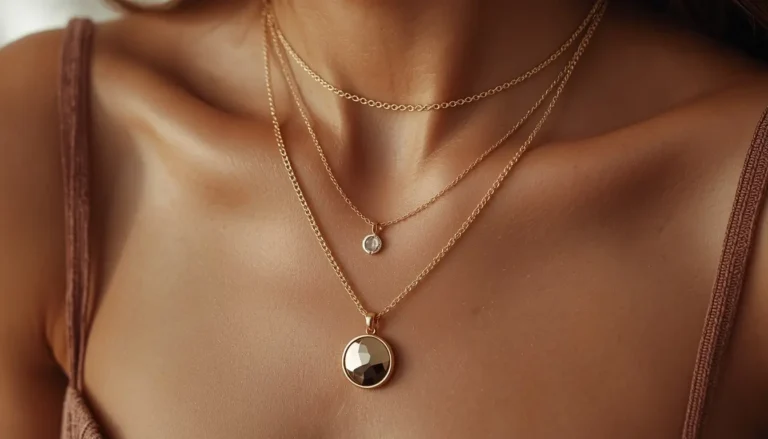
Nearly every successful mixed metal look is built around one clear anchor piece, typically your largest or most statement-making item, a bold necklace, a watch, a cocktail ring. This piece sets the tone for everything else you wear with it. Once you have identified your anchor, build the rest of your look around it in smaller, complementary amounts rather than giving every other piece equal visual weight.
How Much of Each Metal Should You Actually Wear?
A genuinely useful working ratio is roughly seventy percent dominant metal to thirty percent accent, though this is meant as a loose guide rather than something to measure precisely. When two metals appear in exactly equal amounts with no clear dominant one, the overall look can read as two competing outfits layered together rather than one cohesive style. Letting one metal clearly lead, with the second appearing only as accents, keeps the mix feeling intentional rather than accidental.
Can a Single Bridge Piece Really Make Mixing Easier?
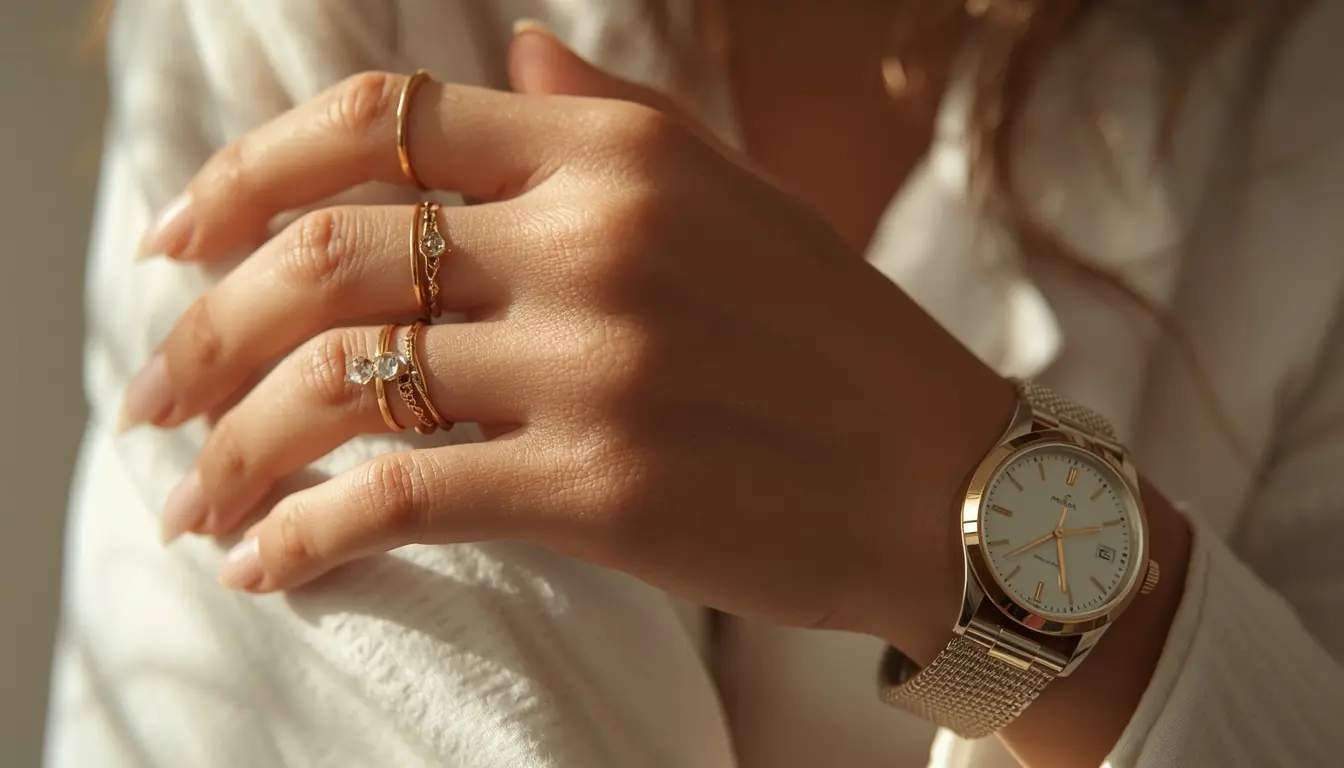
Yes, and this is genuinely the fastest way to build confidence with mixed metals. A piece that already combines two or more metals in a single design, a two tone watch, a bracelet blending gold and silver links, does the organizational work for you automatically. Once that bridge piece is in place, everything else you add naturally reads as coordinated, since the bridge piece has already visually confirmed that these specific metals belong together.
Rose gold deserves special mention here too, since its warm pink undertone genuinely sits between classic yellow gold and cool silver or white gold. Wearing even a small rose gold piece alongside both can soften the transition between warm and cool metals considerably, functioning almost like a bridge piece on its own.
Which Metal Combinations Create the Boldest Contrast, and Which Feel Softest?
Yellow gold paired with silver or white gold creates the sharpest, most noticeable contrast of any combination, since it pairs the warmest metal directly against the coolest. Yellow gold paired with rose gold stays entirely within the warm family, producing a soft, tonal look rather than a true contrast. Rose gold paired with silver sits comfortably in between, offering a gentle contrast without the boldness of the yellow gold and silver pairing. Knowing roughly where on this spectrum you want to land helps you choose pieces with real intention rather than guessing.
Does Balance Matter Even Within One Accent Metal?
If you are wearing mostly one metal with just a touch of a second, add at least two small pieces in that accent metal rather than only one. A single lone silver ring surrounded entirely by gold can genuinely look like an oversight, while that same silver ring paired with a small pair of silver earrings elsewhere reads as a clearly intentional styling choice instead.
Where Is the Easiest Place to Start Experimenting?
Rings are widely considered the most forgiving place to begin mixing metals, since a stack of rings is viewed individually rather than as one continuous visual statement the way a set of layered necklaces is. Alternating gold and silver bands within a single stack places the two metals physically beside each other, which makes the pairing feel undeniably deliberate rather than accidental.
Does Skin Tone Actually Influence Which Metals Suit You Best?
Many people find that warmer metals, gold and rose gold, tend to complement warmer skin undertones, while cooler metals, silver and white gold, tend to suit cooler undertones most naturally. This is a loose tendency rather than a strict rule, and mixed metal styling specifically exists to let you wear both regardless of your own undertone. If you want a more precise answer for your specific coloring, understanding your undertone through color analysis applies the exact same underlying logic used for clothing and makeup directly to jewelry metals as well.
Frequently Asked Questions
Is it still considered outdated to mix gold and silver jewelry?
No, modern jewelry styling has largely moved past that old rule. Mixing metals deliberately, with a clear dominant tone and a smaller accent, is now considered a sophisticated, intentional choice rather than a styling mistake.
What is the easiest way to start mixing metals if I feel unsure?
Start with a single bridge piece, a two tone watch or a mixed metal bracelet, since it does the coordinating work for you automatically and gives every other piece you add a clear reason to belong in the same look.
How many different metals can I mix at once?
Two metals are the easiest and most forgiving combination to style confidently. Adding a third, typically rose gold alongside gold and silver, works well once you are comfortable, provided one metal still clearly leads the overall look.
Should my jewelry metals always match my belt buckle or watch?
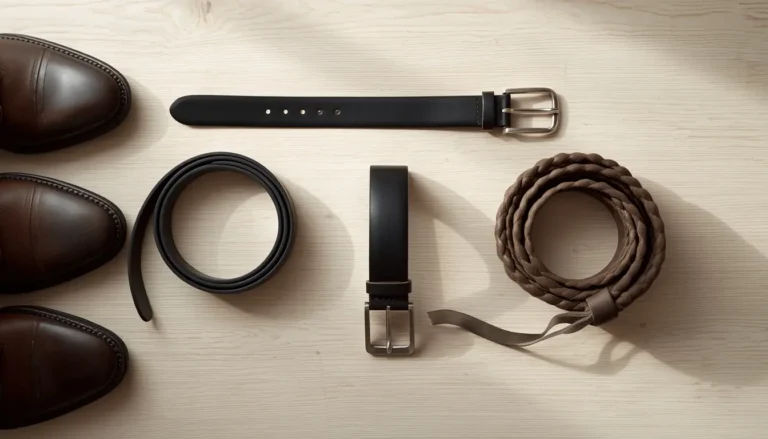
Matching your jewelry’s dominant metal to your watch or belt buckle remains a reliable, polished choice for formal settings, though mixed metal styling intentionally relaxes this rule for everyday and more casual looks.
Is there ever a situation where I should stick to just one metal?
Yes. A particularly formal occasion, or a single sentimental heirloom piece you want to stand clearly on its own, are both reasonable moments to keep things simple with one consistent metal rather than mixing.