
How to Research a Destination Before You Book Your Trip
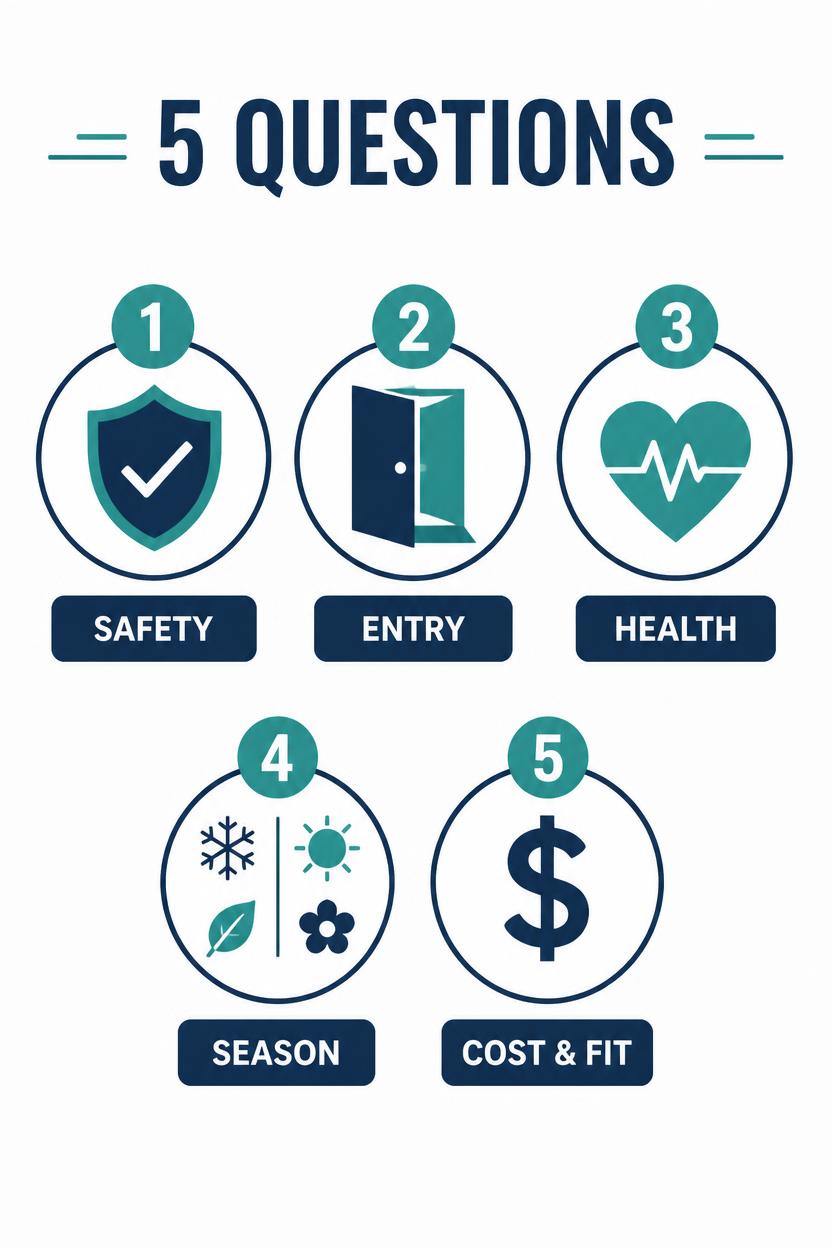
The most expensive travel mistakes are rarely made at the destination. They are made at the booking screen, when someone pays for a trip and only afterward discovers that their passport expires too soon, that the country requires a visa they never heard of, or that the region they chose is in the middle of its worst weather. Careful destination research costs a few hours and prevents nearly all of it. The trick is knowing which questions to ask, and in what order. Here are five, and each one matters more than it looks.
Question One: Is It Safe Right Now?
Start with official government guidance, because it is free, current, and written for exactly this purpose. Most governments publish a travel advisory for each country. The United States system, for example, uses four levels, ranging from exercising normal precautions up to advising against travel entirely, and other countries such as the United Kingdom run similar services through their own foreign ministries. Use whichever one belongs to your own government.
Read beyond the level itself. Each advisory lists the specific risks behind its rating, and those details tell you far more than a single number does. Conditions can also change quickly, so check again close to departure rather than relying on what you read when you first started planning. A low advisory level does not mean you can skip further research either, since local laws, health requirements, weather risks, and transport conditions still deserve a look. Many governments also run a free traveler registration program, which sends alerts from the nearest embassy about security issues or severe weather, a habit worth building into every trip, as covered in how to stay safe while traveling alone.
Question Two: Can I Actually Get In?
A travel advisory tells you about safety, not about whether you will be allowed through the border. Those are separate questions, and mixing them up is one of the most common planning mistakes. Check entry requirements on their own: whether you need a visa, an electronic travel authorization, or an arrival form, and whether your passport validity meets the destination’s rules. Some countries require your passport to remain valid for a set period beyond your travel dates, and some ask for blank pages, so look at your expiry date before you book anything. Also confirm that the name on your passport matches the name on your tickets exactly.
Rules vary enormously by nationality, so rely on official government or embassy sources for the destination country rather than only on blog posts, which may be outdated. If you plan to drive, check whether the country accepts your license or requires an international driving permit, since many places will not accept a foreign license on its own.
Question Three: Will I Be Healthy and Covered?
Look up health guidance from your national public health authority or an international body such as the World Health Organization, which publish country specific notes on vaccinations and health risks. If you take prescription medication, check the rules for carrying it into the country, since regulations differ and some ordinary medicines are restricted elsewhere.
Then look honestly at insurance. Standard health insurance often does not cover care abroad, and governments generally do not pay medical bills or unexpected travel costs for their citizens overseas. Travel insurance that includes emergency medical care and, ideally, medical evacuation is a sensible safeguard. Read the policy carefully before buying, since exclusions vary, and some policies do not cover destinations that carry high advisory levels. Cancellation terms matter here too, and choosing flexible bookings where possible gives you room to adjust if something changes.
Question Four: Is This the Right Season, and What Will It Really Cost?
A destination that looks perfect on a postcard can be miserable in its rainy season, storm season, or peak heat, and some attractions close entirely at certain times of year. Check the weather pattern for your exact dates, not just the destination’s general reputation. Traveling in shoulder season, just before or after the busiest months, often delivers better value and thinner crowds without giving up good weather, and it connects directly to the timing advice in best times of year to book flights for the lowest prices. Major festivals and events work in the opposite direction, pushing prices and crowds up, so check what is happening during your dates.
Cost research should cover the full picture, not just the flights. Add up lodging, local transport, food, activities, and any visa or entry fees, and look at typical daily costs for the place. Find out whether cash or cards are more common, and what tipping customs look like, since surprises here can quietly unbalance a budget.
Question Five: Will It Actually Suit Me?
The final question is the most personal, and the one people skip because the earlier ones feel more urgent. A destination can be safe, affordable, and easy to enter and still be the wrong fit for your pace, your companions, or what you want from the trip. Revisiting your own preferences, the kind covered in how to choose the right destination for your travel style, helps you judge whether a place matches how you actually like to travel.
Read recent traveler accounts and look for patterns rather than single opinions. If several people mention the same problem, such as heavy crowds or difficult transport, take it seriously. Picture a realistic day there, and compare the travel time to the length of your trip. Once a destination clears all five questions, you are ready for the practical side, and a guide like a first timer’s guide to planning a trip to a new city picks up from exactly that point.
Do Not Forget Local Laws and Customs
Something legal or perfectly ordinary at home can be restricted or considered disrespectful elsewhere, from dress expectations at religious sites to rules around photography, alcohol, or certain medications. Spend a few minutes reading about local laws and basic etiquette for your destination, since ignorance is rarely accepted as an excuse abroad, and a little cultural awareness makes interactions with locals warmer and smoother. Even learning a few polite phrases in the local language tends to be noticed and appreciated far beyond the effort it takes.
Cross Check Everything
Good research combines several kinds of source, because each one is strong in a different way. Official government advisories and entry pages are the most reliable for safety, visas, and health. Tourism board websites help with current events and practical information. Recent traveler accounts show what the experience is actually like. Search engines help you discover and shortlist options in the first place.
AI planning tools can be useful for drafting an itinerary or answering a quick question, but treat their answers as a starting point, not a verdict. Facts such as entry rules, safety conditions, and opening hours can be outdated or simply wrong, so always confirm them against official sources. Whatever you read, check the date, since travel information goes stale faster than most people expect.
Red Flags Worth Pausing Over
- A source with no date or no clear author
- Entry rules that differ between two sources you trust
- A deal priced far below comparable options, with vague terms
- A high advisory level paired with an itinerary that has not changed to reflect it
- A cancellation policy you cannot clearly understand
- Reviews that all come from one platform, or that sound suspiciously alike
Turn Your Findings Into a One Page Summary
Before you book, write everything down in a single page for each destination you are seriously considering: the advisory level and the date you checked it, the documents you need to enter, your health and insurance notes, the best season and a rough budget, and any local rules worth remembering, along with where each fact came from. A short summary like this makes it far easier to compare destinations honestly, and it gives you something reliable to consult if plans change. A few hours spent on that page before booking usually save days of stress afterward.