How to Stay Safe While Traveling Alone
Solo travel safety is not really about fear. It is about a handful of specific, repeatable habits that experienced solo travelers build into every trip without much conscious thought. None of these tips guarantee that nothing will ever go wrong, since no list can honestly promise that. What they do is stack the odds meaningfully in your favor, and that difference matters over the course of a lifetime of travel.
Tell Someone Where You Actually Are
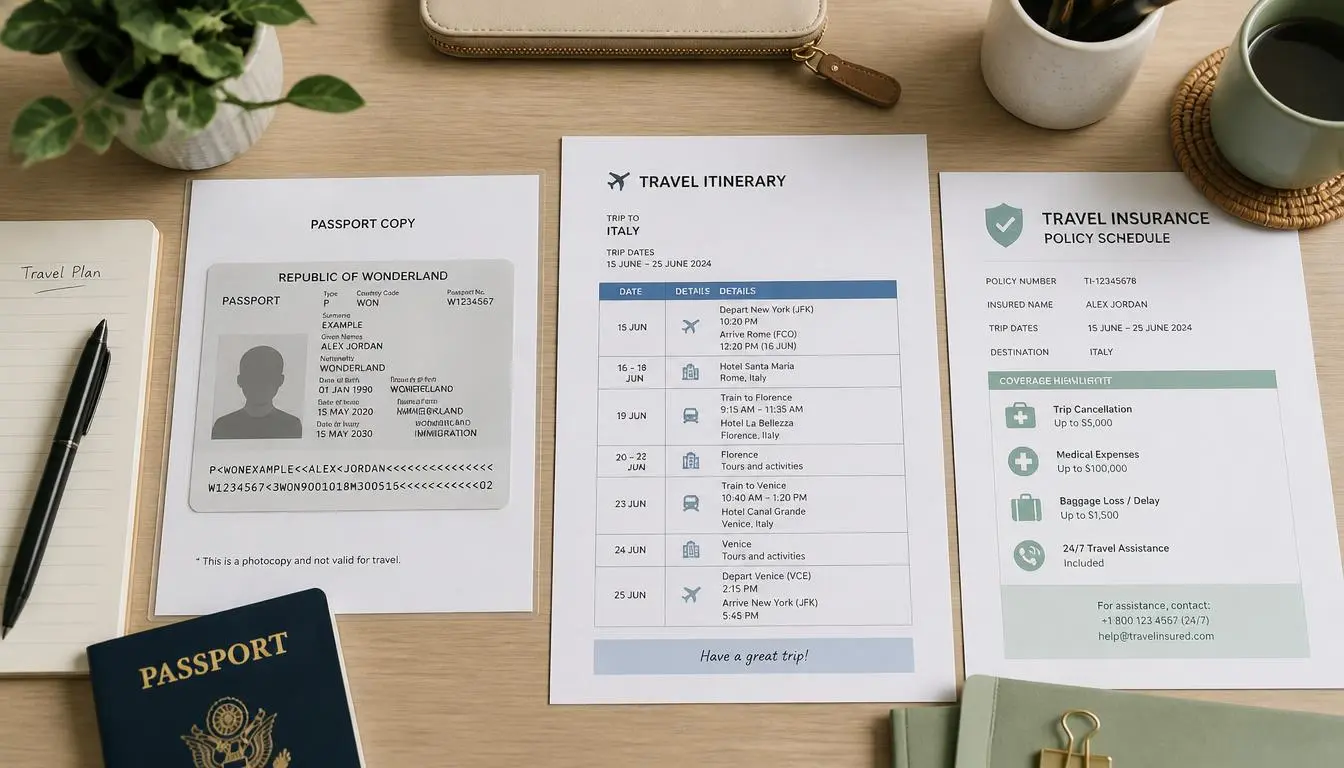
Before you leave, send your full itinerary, accommodation details, and any planned activities to someone you trust back home. This single habit is often described as the single most important solo travel safety tip that exists, precisely because it is so easy to skip and so meaningful if something genuinely goes wrong.
Check in regularly once you are actually traveling, even something as simple as a quick message each evening confirming you made it back to your accommodation safely. This does not need to feel like a burden or an obligation. It simply means someone else knows roughly where you are at any given point, which matters enormously if you ever go quiet unexpectedly, and it costs almost nothing to maintain once it becomes a habit.
Trust the Feeling Before You Explain It Away
Intuition is one of the most reliable safety tools a solo traveler has, and it is also one of the easiest to override out of politeness or a desire not to seem paranoid. If a situation, a person, or a place feels off, act on that feeling immediately rather than talking yourself out of it because you cannot articulate exactly why.
This applies to accommodation too. If you check into a room and something feels wrong, trust that instinct enough to request a different room or, if necessary, find alternative lodging entirely, even if it feels inconvenient in the moment. The mild social awkwardness of acting on a hunch that turns out to be nothing is a far better outcome than ignoring a hunch that turns out to matter.
Blend In Rather Than Stand Out
Criminals and opportunistic thieves tend to target people who appear lost, distracted, or visibly vulnerable, walking with their head down staring at a phone, looking confused at an intersection, or generally broadcasting unfamiliarity with their surroundings. Projecting quiet confidence, even when you do not fully feel it internally, genuinely changes how approachable you appear as a target.
Research your destination and specific neighborhood before arriving, so you already have a general sense of which areas are considered safer and which call for more caution. Hotel staff and locals are often a genuinely reliable source for this kind of current, specific guidance, more current than anything you might have read months earlier while planning the trip.
Watch for Distraction Tactics
A well documented pattern among pickpockets involves staging a distraction, something funny, something free, someone unusually friendly, precisely to pull your attention away while an accomplice or the same person accesses your bag or pockets. Being aware that this specific tactic exists makes it considerably easier to recognize in the moment, rather than getting fully absorbed in whatever is pulling your attention.
Keeping your bag zipped and positioned where you can feel it, particularly on crowded public transportation, removes much of the opportunity this tactic depends on in the first place.
Be Deliberate Around Alcohol
If you choose to drink while traveling solo, keep your drink within sight at all times and pace yourself more conservatively than you might at home. Traveling alone means there is no one else keeping an eye on your surroundings or your wellbeing if your judgment becomes impaired, which changes the calculus considerably compared to a night out with people you know and trust.
This is not about avoiding enjoyment on a trip entirely. It is simply about recognizing that the safety net you might rely on among friends at home does not exist in the same way when you are on your own in an unfamiliar place.
Handle Practical Logistics Before You Leave
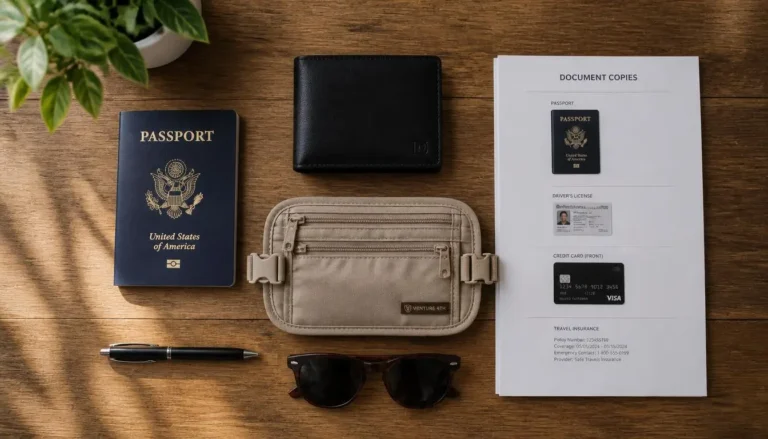
A few administrative steps, easy to overlook in the excitement of planning a trip, genuinely reduce risk once you are actually traveling. Notify your bank and credit card providers of your travel dates and destinations beforehand, which prevents legitimate purchases from triggering fraud alerts that freeze your access to money at an inconvenient moment. Keep digital copies of your passport and other important documents stored somewhere accessible even if the physical originals are lost or stolen, and consider sharing copies with your trusted contact back home as well.
If you are traveling internationally, many governments offer a free travel registration service that shares safety alerts and updates for your specific destination directly with you, and can also assist your government in locating and contacting you in a genuine emergency. Registering before departure takes only a few minutes and costs nothing.
Travel insurance belongs on this same practical checklist. It is consistently recommended across virtually every source on solo travel safety, since a lost bag, a missed connection, or a medical issue becomes a considerably bigger problem to navigate entirely alone without it.
Pace Yourself Rather Than Packing Every Day Full
Fatigue quietly undermines nearly every safety habit on this list. A traveler running on too little sleep, rushing between overpacked activities, or pushing through exhaustion to see one more sight is simply less alert to their surroundings, slower to notice something feels wrong, and more likely to make a careless decision than a well rested version of the same person would be.
Building in genuine downtime, an unhurried morning, an afternoon with no fixed plan, is not a wasted travel day. It is part of what keeps your judgment sharp enough to actually use everything else covered here when it matters most.
Choose Accommodation With Safety in Mind
When selecting where to stay, particularly for a first solo trip, consider accommodations in busier, more public areas over something more isolated, and read recent reviews specifically with safety in mind rather than only price and amenities. Once at your accommodation, walking directly to your room rather than lingering in hallways, and staying aware of anyone nearby as you unlock the door, are small habits that add up over the course of a trip.
If you are still working out the broader logistics of your first trip alone, pairing these safety habits with a first timer’s guide to planning a trip to a new city covers the practical planning side that makes the safety side considerably easier to manage once you actually arrive.
Frequently Asked Questions
Is solo travel actually less safe than traveling with others?
Not inherently, though it does require more deliberate attention to certain habits, since there is no travel companion also watching your surroundings or belongings. Most experienced solo travelers report feeling genuinely safe the majority of the time, provided they build these habits into how they travel.
Should I tell strangers that I am traveling alone?
Many experienced solo travelers choose to keep this detail vague with people they have just met, simply as a low effort precaution, though this is a personal comfort decision rather than a guaranteed safety measure on its own.
What is the single most important solo travel safety habit?
Sharing your itinerary and checking in regularly with someone back home is consistently cited as the most important single habit, since it ensures someone else has a general sense of your whereabouts throughout the trip.
Do safety apps actually make solo travel safer?
Digital safety tools can provide a helpful layer of situational information and communication, but they work best as a supplement to genuine situational awareness rather than a replacement for it.