How to Avoid Getting Sick While Traveling
Most travel illness is more predictable than it feels. A bad stomach, a missed vaccination, a long flight without moving, a swarm of insects on the first evening: these account for a large share of the trips that go wrong, and almost all of them have simple habits that reduce the risk. You cannot eliminate every germ, and nobody should travel in fear. But you can stack the odds in your favor with a short list of steps, taken at the right time. This guide organizes travel health into four fronts: before you go, in transit, at the table, and outdoors, and ends with what to do if you get sick anyway. It is general information, not medical advice, so check your own situation with a health professional.
Four Fronts of Travel Health
It helps to think of staying healthy as defense on four fronts. Each one covers a different kind of risk, and each needs a slightly different habit. Together they handle the great majority of problems that travelers meet.
Front One: Prepare Before You Go
See a Professional Four to Six Weeks Out
The single most useful health step is a pre-trip visit with your doctor or a travel health clinic. The CDC advises booking it at least four to six weeks before you leave, because many vaccines take time to work and some are given in a series over days or weeks. Some malaria prevention medications also have to be started one or two weeks before you travel, and continued for a time after you return. If you are leaving in less than four weeks, go anyway, since there is often still something useful that can be done.
Tell your provider where you are going, how long you will be away, and what you plan to do, such as trekking, diving, or staying in rural areas. Mention any existing health conditions, pregnancy, or recent surgery. Check that your routine vaccinations are up to date, and ask which destination specific vaccines or medicines are recommended. Your national health authority’s travel pages for your destination are a good place to read about local risks before the appointment.
Pack a Health Kit
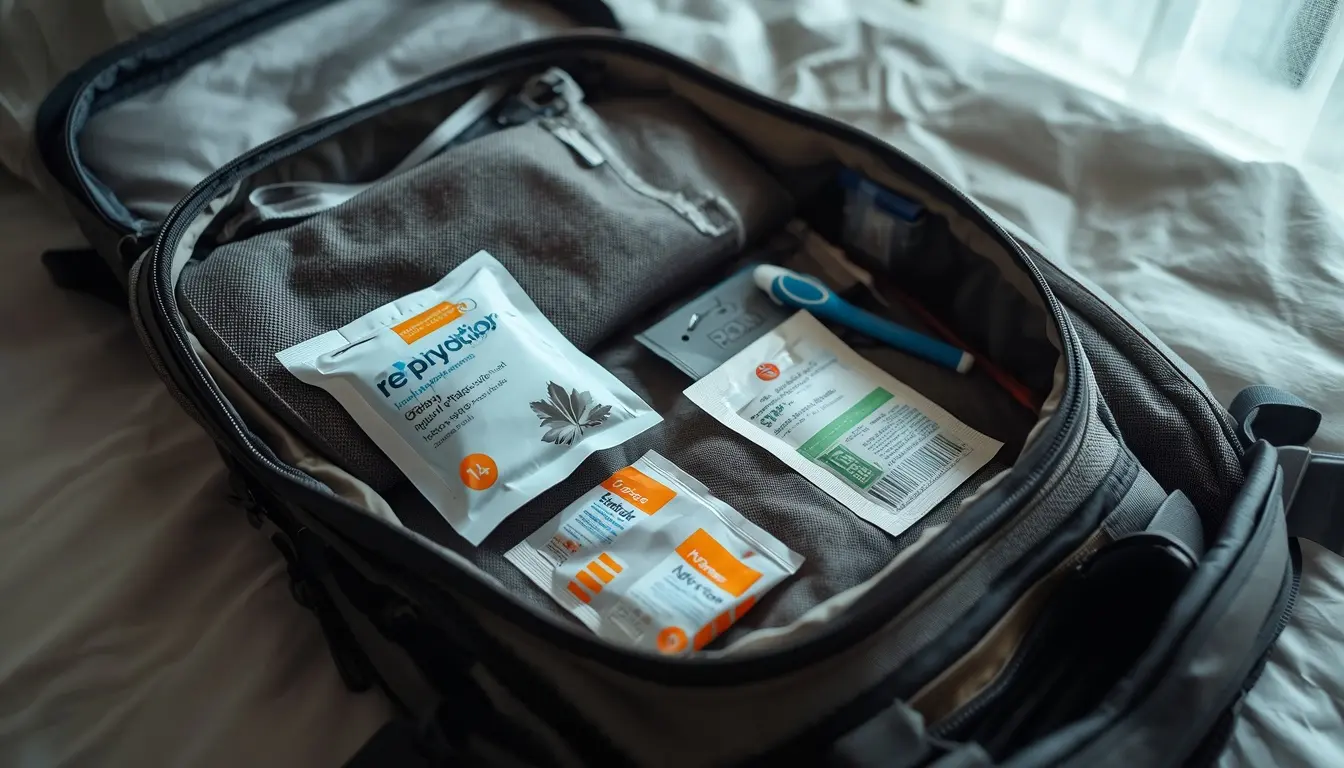
A small kit saves you from searching for a pharmacy when you feel worst. Ask your provider what suits your own needs, especially for medicines.
| Item | Why you want it | A note |
|---|---|---|
| Prescription medicines, in original packaging | Keeps your regular treatment uninterrupted | Carry a copy of the prescription, and pack extra in case of delays |
| Oral rehydration salts | Replaces fluids and salts after diarrhea or vomiting | Light, cheap, and very useful |
| Medicine for stomach upset, if your provider advises it | Helps manage traveler’s diarrhea | Ask first, since it is not suitable in every situation |
| Pain and fever relief, and a thermometer | Lets you manage and track a fever | Check the right doses for you |
| Plasters, antiseptic wipes, and a small first aid set | Handles cuts and blisters before they get infected | Keep it compact |
| Insect repellent and sunscreen | Prevents bites and sunburn | Choose products suited to your destination |
| Hand sanitizer | Cleans hands when soap is not available | Soap and water are still better when you can |
Sort Out Insurance and Records
Check whether your normal health insurance covers care abroad, since at many destinations travelers pay medical bills out of pocket. Consider travel health insurance, and in particular cover that includes medical evacuation, especially if you are going somewhere remote. CDC materials note that without insurance, an evacuation can cost $100,000 or more. Keep copies of your insurance details, your immunization record, any medical records for long term conditions, and the contact details of your own doctor and pharmacist. Carry medicines in their original bottles.
Front Two: Protect Your Body in Transit
Long Flights and Blood Clots
Sitting still for a long time raises the risk of blood clots, and the CDC notes that this applies especially to flights longer than four hours, as well as long car journeys. The advice is simple. Get up and walk when you can, flex and rotate your ankles while seated, and drink water. If you have a history of clots, recent surgery, heart disease, or other risk factors, speak to your provider about your plans before you go.
Sleep, Rest, and Pace
A tired body fights germs less well, and travel is full of short nights and long days. Build rest into your itinerary, especially in the first days after a long flight, and avoid cramming too much into every day. Managing the body clock helps too, and the strategies in beating jet lag make it easier to arrive in good shape.
Clean Hands
Washing your hands with soap and water is one of the most effective things you can do to avoid illness, especially before eating and after using the toilet. Carry sanitizer for moments when soap is not available, and avoid touching your face with unwashed hands.
Front Three: Watch What You Eat and Drink
Stomach upsets are the classic traveler’s complaint. The basics are to eat food that is freshly cooked and served hot, to be cautious about raw or undercooked foods and unpeeled fruit where hygiene is uncertain, and to drink sealed bottled or properly treated water where tap water is not considered safe. Avoid ice made from unsafe water. The street food habits and the money saving strategies in eating well on a trip without overspending on food cover how to choose busy, clean places to eat.
If you do get diarrhea, the main priority is to stay hydrated, with oral rehydration solution or bottled water. Most cases pass on their own, but some need medical attention, as described below.
Front Four: Bugs, Bites, and Sun
Insects can spread serious diseases in some parts of the world, so bite prevention is not just about comfort. Use insect repellent on exposed skin, wear long sleeves and trousers at dusk and dawn when mosquitoes are most active, and sleep under a net or in screened or air conditioned rooms where recommended. Check for ticks after time in grassy or wooded areas. If your provider has prescribed malaria tablets, take them exactly as directed, including after you return home.
The sun is a health risk too. Sunburn, heat exhaustion, and dehydration can ruin a trip as surely as an infection can. Wear a hat, seek shade at midday, drink water often, and use sunscreen even on cloudy days, a habit explained in why sunscreen matters every day. If you are heading somewhere very hot, cold, or high, the preparation in planning a trip to a destination with a different climate covers heat, humidity, and altitude in more detail.
If You Do Get Sick
Even careful travelers get ill sometimes, and the key is to respond calmly and early.
- Rest and hydrate. Drink fluids, and use oral rehydration solution if you have diarrhea or vomiting.
- Be careful with self treatment. Ask a health professional before using medicines for diarrhea, particularly if you have a fever or blood in your stool.
- Know when to get care. See a doctor promptly for a high fever, bloody stools, signs of severe dehydration such as dizziness or very little urine, vomiting that does not stop, severe breathlessness, or confusion.
- Use your support options. Ask your hotel to help you find a reputable clinic, call your insurer’s assistance line, and contact your embassy if you need advice on finding care.
- Keep records. Save receipts, reports, and prescriptions for insurance claims.
- Tell your doctor at home. Some illnesses appear days or weeks after you return. If you feel unwell, tell your provider where you went, what you did, how long you were away, what you ate and drank, and whether you were bitten by insects.
If you travel alone, tell someone your plans and check in regularly, and the habits in staying safe while traveling alone are especially useful when you are unwell.
Frequently Asked Questions
How far ahead should I see a doctor before a trip?
The CDC advises at least four to six weeks before you leave, because vaccines and some medicines need time to work. If your trip is sooner, still go, since your provider may be able to help even at short notice.
Do I really need travel insurance?
It is strongly worth considering. Many regular health plans do not cover care abroad, and medical bills and evacuation can be extremely expensive. Check what your own cover includes, and think about adding travel health and medical evacuation cover, especially for remote destinations.
Is bottled water always necessary?
Not everywhere. It depends on the destination, and in some places tap water is safe to drink. Check your health authority’s guidance for your destination, and use sealed bottled or properly treated water where tap water is not considered safe.
What should I put in a travel health kit?
A basic kit includes your regular medicines in original packaging, oral rehydration salts, pain and fever relief, a thermometer, plasters, antiseptic wipes, insect repellent, sunscreen, and hand sanitizer. Ask your provider whether you should add anything specific to your trip, such as medicine for stomach upset or motion sickness.
When should I see a doctor while traveling?
Get medical help for a high fever, bloody stools, signs of severe dehydration, vomiting that will not stop, severe breathlessness, confusion, or any symptom that worries you. If you feel unwell after you return home, tell your doctor about your travel history.