Beginner’s Guide to Basic Home Repairs Everyone Should Know
There is a specific kind of confidence that comes from fixing something in your own home yourself, rather than living with it broken or paying someone else to handle something genuinely simple. The good news is that most everyday household problems do not require advanced skills or an expensive toolbox. A modest set of tools, a bit of patience, and a handful of core basic home repairs cover the vast majority of what actually comes up in real life.
Build a Modest Starter Toolkit First
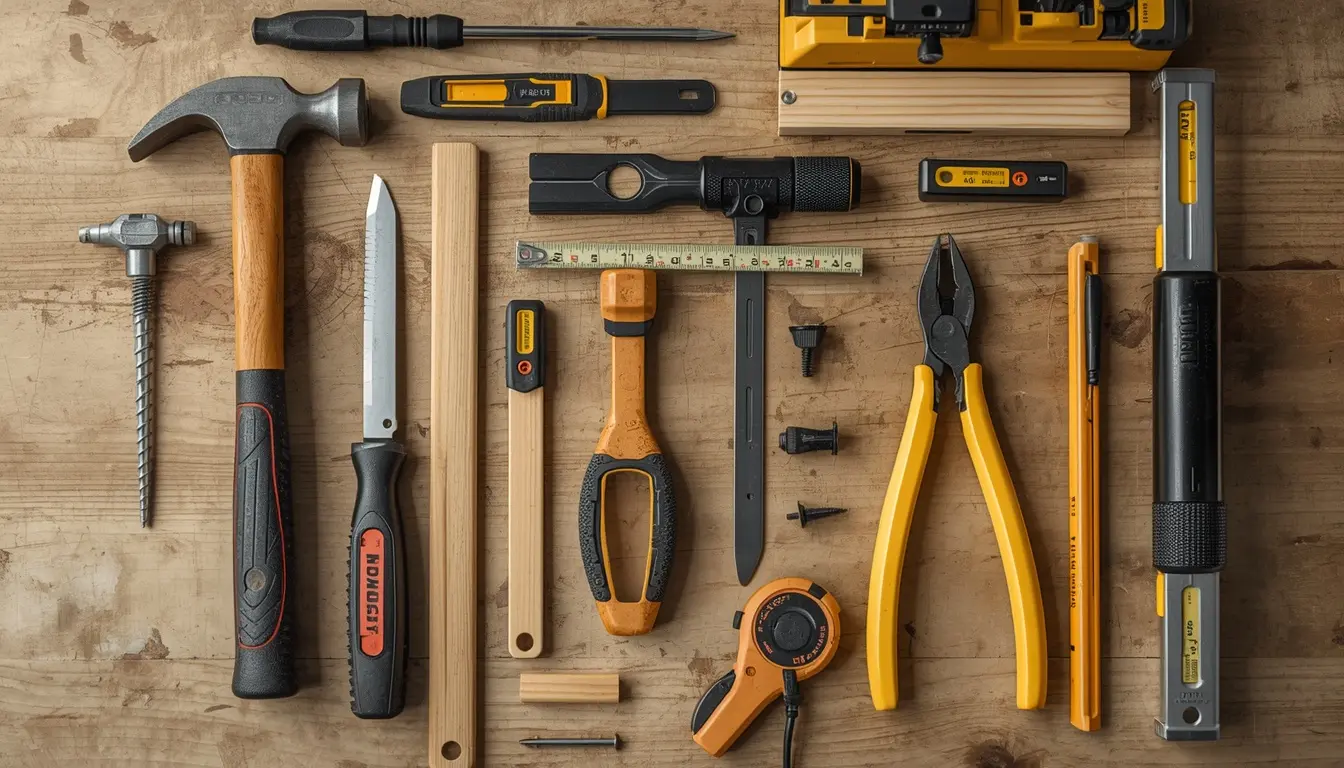
Before tackling any repair, a small, well chosen collection of tools makes nearly everything on this list possible. You genuinely do not need to spend a fortune here, and investing in a few quality pieces tends to serve you better over time than a large collection of cheap ones that wear out quickly.
A reasonable starter toolkit includes a hammer, both flathead and Phillips screwdrivers in a few sizes, adjustable pliers, needle-nose pliers, a tape measure, a utility knife, a level, a cordless drill with basic bits, and a putty knife. As you take on more specific projects, a hacksaw, a pipe wrench, and a caulking gun are natural additions for plumbing tasks, along with a stud finder and a voltage tester for safer, more accurate work later on.
Patch a Hole in Drywall
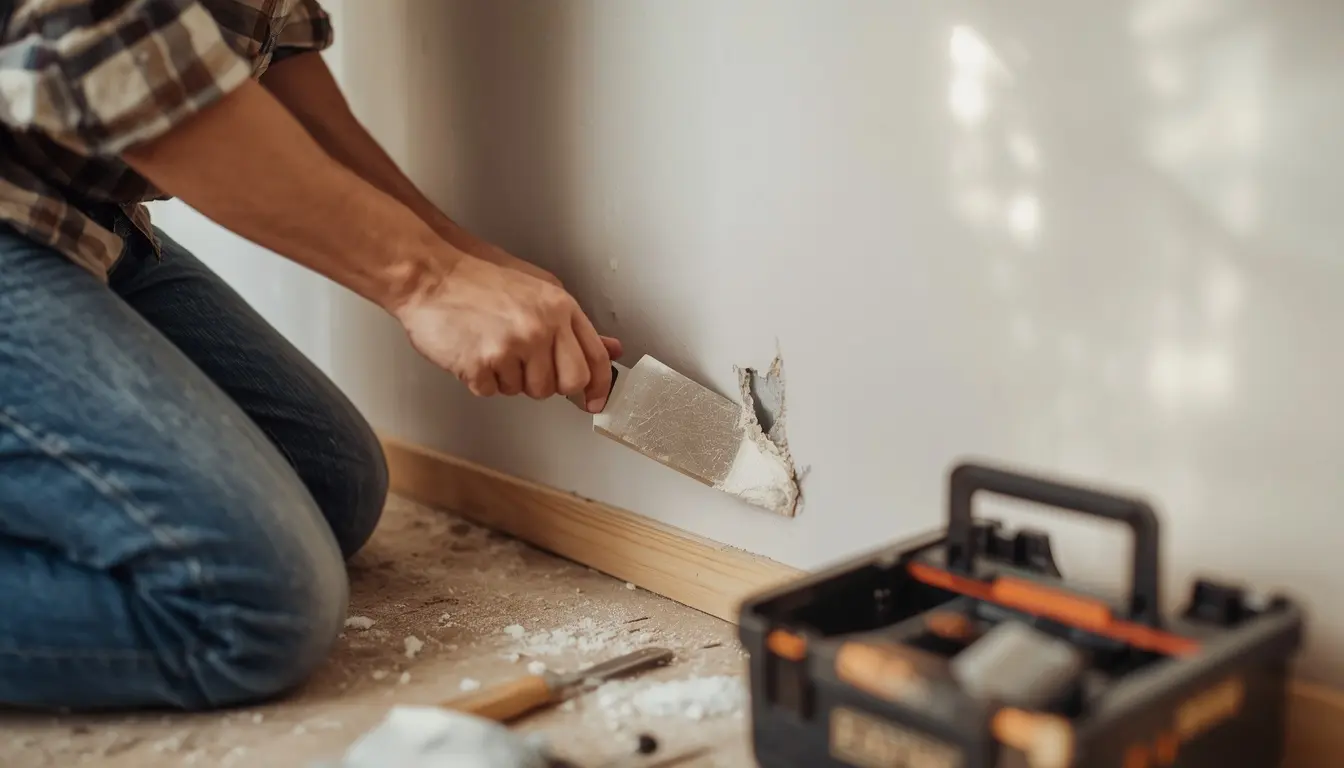
Drywall damage happens to almost everyone eventually, whether from a picture hook, a doorknob bumping the wall, or simple everyday wear. Fortunately, it is one of the easiest repairs on this entire list to learn.
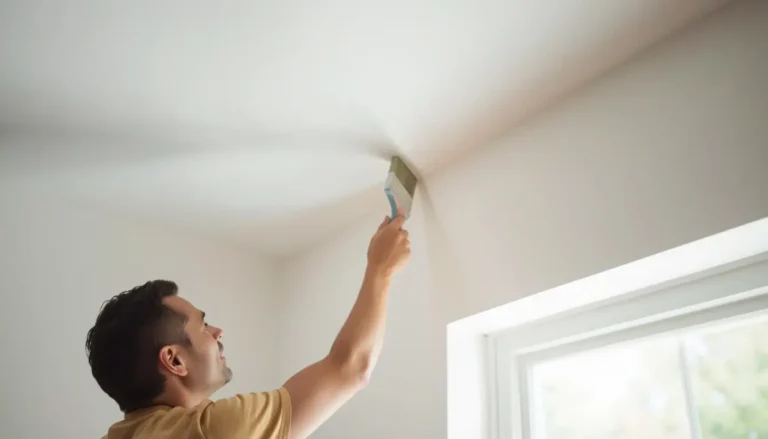
For a small hole, you need a utility knife, sandpaper, a putty knife, some joint compound, and a small patch of extra drywall if the hole is larger than a nail sized dent. Clean up the damaged area with your utility knife first, apply joint compound over the hole or patch, let it dry fully, then sand it smooth before repainting. This single skill alone makes a noticeable difference in how a home looks and is genuinely one of the most commonly needed repairs a homeowner or renter will face.
Fix a Leaky or Dripping Faucet
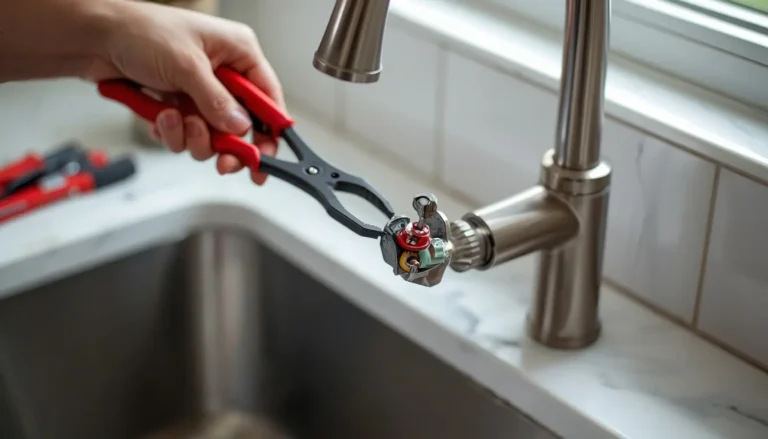
A dripping faucet is not just an annoyance. Left alone, it wastes water and can add real cost over time. In most cases, the fix involves replacing a worn washer or cartridge inside the faucet fixture, which is a fairly approachable repair once you know the general process for your specific faucet type.
Before starting any faucet repair, always turn off the water supply under the sink first. This single safety step prevents an unwanted mess and is worth treating as a non negotiable habit for any plumbing task, no matter how small.
Unclog a Drain or Fix a Running Toilet
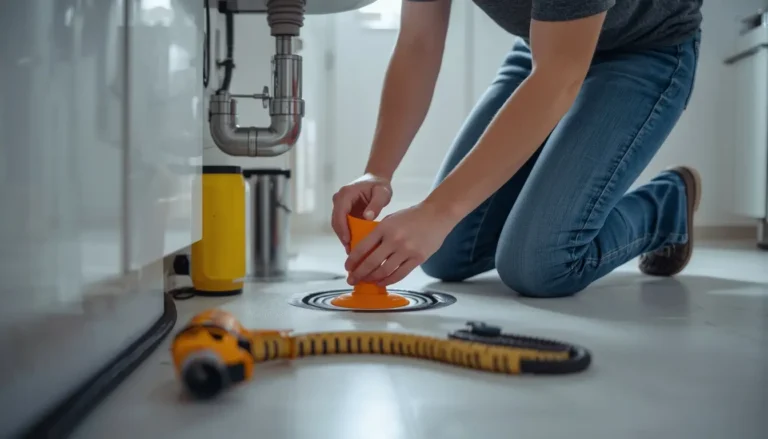
Clogged drains and running toilets rank among the most common household plumbing issues, and both are approachable for a beginner. A basic plunger or a drain snake handles most simple clogs without needing anything more advanced. A running toilet is frequently caused by a worn toilet flapper, the rubber seal inside the tank, which is an inexpensive part that is genuinely simple to replace once you understand how the tank mechanism works.
As with faucet repairs, working with pipes calls for the same basic safety habit: know how to turn off your main water supply before any repair that involves opening a pipe or a connection, and open a faucet afterward to drain excess water from the lines.
Find a Stud Before Hanging Anything Heavy
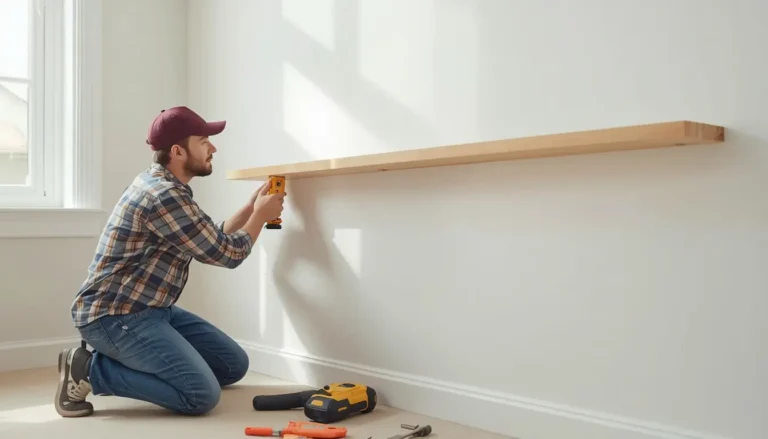
Before hanging a shelf, a mirror, or anything with real weight, finding a wall stud matters more than it might seem. Drywall alone cannot support significant weight on its own, and a stud finder makes locating the solid wood framing behind the wall quick and reliable, rather than guessing or relying on a hollow sounding knock test alone.
Once you have located a stud, use a level to ensure whatever you are hanging sits straight, since a slightly crooked shelf or picture frame is one of the more noticeable small details in an otherwise tidy room.
Learn Basic Electrical Safety
Full electrical rewiring is genuinely a job for a licensed professional, but a few basic electrical tasks are well within reach for a careful beginner, and understanding your home’s electrical system in general terms is useful even beyond hands on repairs.
Learn where your home’s main electrical panel is located, and understand how to safely reset a tripped circuit breaker or replace a blown fuse when something in your home suddenly loses power. Simple tasks like safely wiring a new light switch or outlet are approachable for a confident beginner, provided the power is fully switched off at the breaker before any work begins. That safety step is not optional. Always confirm power is off at the source before touching any wiring, no matter how minor the task appears.
Change a Lock or Doorknob
Swapping a doorknob or replacing a lock is a straightforward mechanical repair that mostly involves a screwdriver and following the instructions that come with a replacement hardware set. This is a useful skill to have, whether you are upgrading security after moving into a new home or simply replacing a doorknob that has become loose or worn over time.
Repair a Window Screen
A torn or damaged window screen is easy to overlook, but it is also one of the simpler fixes on this list. Small tears can often be patched directly, while more significant damage usually means replacing the screen material entirely within the existing frame, a project that mostly requires patience and a spline roller tool rather than any advanced skill.
Start Small and Build Confidence Gradually
The biggest mistake beginners make is attempting something too ambitious as a first project. Rewiring an electrical panel or replacing a water heater is not where confidence gets built. A small drywall patch or a dripping faucet is. Success with a simple, low stakes repair builds the confidence and hands on understanding needed to take on progressively more involved projects over time.
Before starting any repair guide or tutorial, it also helps to skim through every step first rather than working through it strictly in order. Knowing what is coming later in a project prevents the frustrating experience of getting partway through and discovering a step you were not prepared for, which is one of the more common reasons a beginner project gets abandoned halfway through. If you are building broader home skills alongside repairs, learning how to paint a room like a professional pairs naturally with this list, since both rely on the same underlying habit of careful preparation before diving in.
Know When to Call a Professional
Building confidence in basic repairs does not mean every project belongs to you. Structural work, major electrical rewiring, gas line issues, and anything involving your home’s main systems at a large scale genuinely call for a licensed professional, both for safety and because mistakes in these areas can become expensive quickly. Treat this list as the foundation worth learning, and treat knowing your own limits as an equally important skill alongside it.
For more hands-on home improvement guidance, see how to paint a room like a professional, or explore more Lifestyle & Home guides
Frequently Asked Questions
What is the most important basic repair skill to learn first?
Patching drywall and fixing a dripping faucet are generally considered the most useful starting points, since both come up frequently and are genuinely approachable for a complete beginner with minimal tools.
Do I need expensive tools to get started with home repairs?
No. A modest starter toolkit covering a hammer, screwdrivers, pliers, a tape measure, a utility knife, a level, and a basic drill handles the vast majority of common repairs without a significant upfront investment.
Is it safe to do electrical repairs myself as a beginner?
Simple tasks like resetting a breaker or wiring a basic switch are approachable, provided you always turn off power at the breaker first. Anything involving your main electrical panel or larger rewiring should be left to a licensed electrician.
How do I know when a repair is too big to handle myself?
If a project involves structural changes, gas lines, major electrical rewiring, or anything you feel genuinely unsure about after research, it is worth calling a professional rather than risking a costly mistake or a safety issue.