How to Unclog a Drain Without Harsh Chemicals
Social media treats a mix of baking soda and vinegar as a cure-all for clogged drains. Ask an actual plumber, and the answer is more measured: the fizzing reaction is genuinely satisfying to watch, but it is not a miracle, and it will not clear every blockage. The good news is that you have several effective chemical-free options to try in a sensible order, and most minor clogs give way to one of the first two or three.
Why Skip the Chemical Cleaners at All?
Commercial drain cleaners promise a quick fix, but the same aggressive ingredients that dissolve a clog can also cause harm elsewhere. Over time, harsh chemicals corrode metal piping, particularly in older homes, and degrade the joint seals, caulking, and plastic pipes that keep your plumbing watertight. They also pose real health risks to people and pets, and they carry heightened risks for homes with septic systems.
Starting with gentler methods protects your pipes, your household, and your wallet, since a damaged pipe costs far more to repair than an unclogged drain ever will. Most everyday clogs come from hair, soap scum, or grease building up close to the drain opening, exactly the kind of blockage that simple mechanical and natural methods handle well.
What Should You Try First?
Begin with the simplest option, hot water. Carefully pouring a kettle of hot water down the drain can loosen grease and soap buildup and warm the pipes. One practical caution: very hot water can soften PVC piping and crack porcelain fixtures, so let boiled water cool for a minute or two, and skip this step entirely for toilets and porcelain sinks.
If hot water alone does not do it, move on to the tool most people already own.
How Does a Plunger Actually Work?
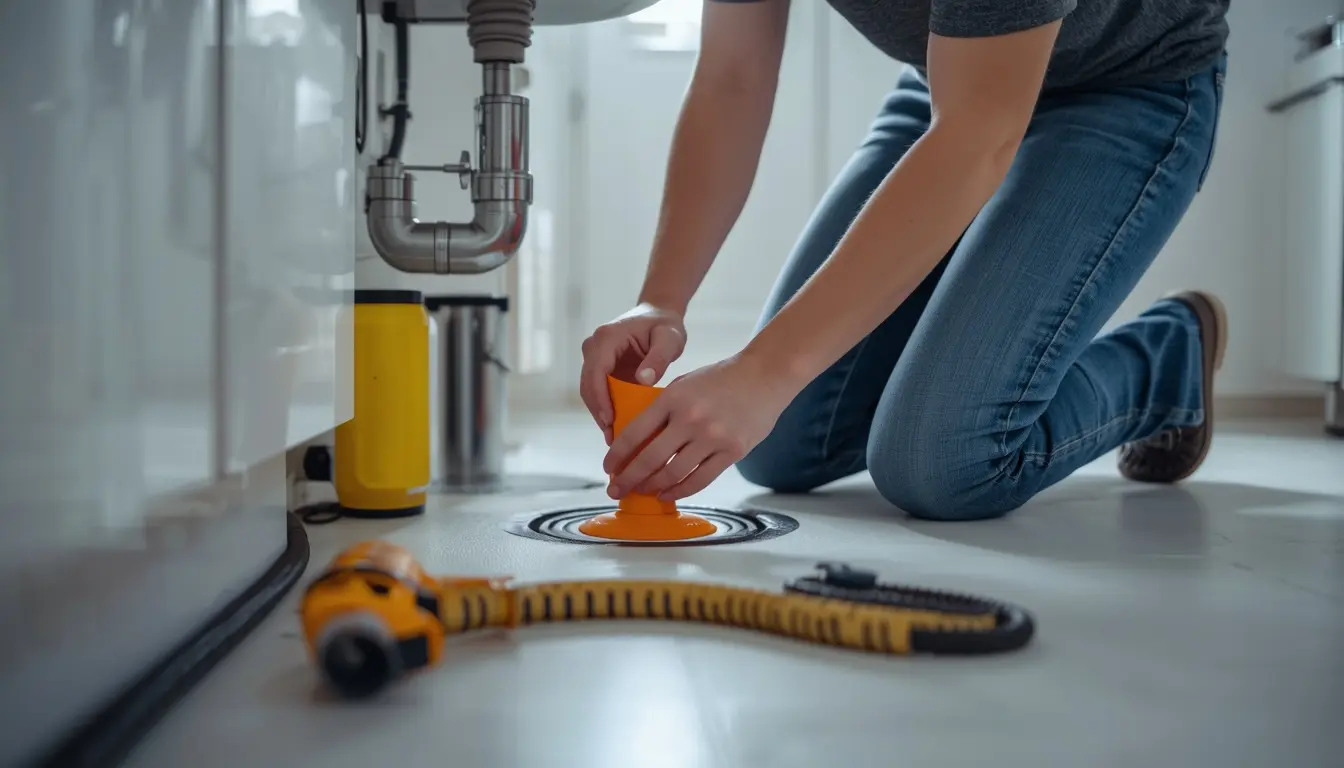
A plunger is your best first line of defense for most sink and tub clogs, and it works through suction rather than force. Choose a cup style plunger for sinks and tubs, since flange style plungers are designed for toilets. Remove the drain stopper if there is one, and add enough water to cover the plunger’s rim so it forms a proper seal over the drain opening.
Pump the plunger rapidly for about thirty seconds, using steady pressure rather than excessive force. Lift it away, and if the water begins draining, you are done. If it stays put, repeat the process once or twice before moving on. For clogs caused by a buildup of hair or soap scum in particular, a plunger is frequently all you need.
Does Baking Soda and Vinegar Really Work?
It can, with realistic expectations. The reaction between baking soda and vinegar creates fizzing that helps loosen minor grease and soap buildup, but it will not dependably dissolve hair or a dense, deep clog.
To try it, pour about one cup of baking soda directly down the drain, followed by one cup of white vinegar, or a mix of half vinegar and half water. Let it fizz for at least ten to thirty minutes, and longer, even overnight, for a stubborn clog. Follow with a flush of hot water to carry loosened debris through the pipe.
Think of this as a good maintenance habit and a fair first attempt for minor slowdowns, rather than a guaranteed solution. If it does not work after a couple of tries, that is a signal to reach for a mechanical tool rather than repeating the same recipe endlessly.
When Is It Time for a Drain Snake?
A drain snake, also called a drain auger, is a long flexible coil designed to reach deeper into the pipe than a plunger can, and it is the right tool for clogs that a plunger and a natural flush could not budge. Use a standard snake for sinks and tubs, and a toilet auger specifically for toilets.
Feed the tip of the snake into the drain until you feel resistance, then turn the handle to work it forward. Keep cranking until you feel it break through or hook the blockage, then reverse the crank to pull it back out. Always throw the debris you retrieve into the trash rather than rinsing it back down the drain, and finish with a few minutes of hot water to flush anything remaining. If you have handled the basics from working through essential beginner home repair skills, a drain snake is a natural next tool to add to your kit, since it opens up an entire category of clogs you would otherwise pay someone to clear.
What About the P-Trap Under the Sink?
If the clog seems to sit close to the sink itself, the U shaped pipe beneath it, called the P-trap, is worth checking. It is designed to hold a small amount of water to block sewer gas, but it also catches debris, and it is removable. Place a bucket underneath, loosen the connections, and clear out whatever has collected before reassembling everything carefully.
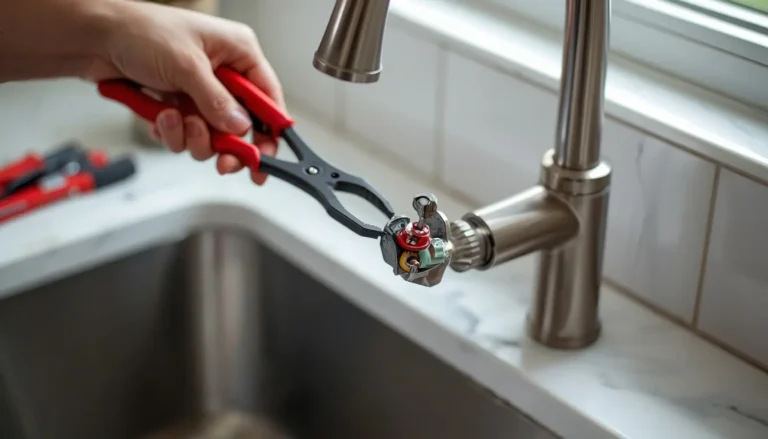
This kind of hands on step follows the same careful, methodical habit that works for other plumbing tasks, such as fixing a leaky faucet yourself, where identifying exactly what you are working with before you start makes the whole project go more smoothly.
What Is the Gentlest Store Bought Option?
If you would rather buy something than rely on household ingredients, an enzyme based drain cleaner is generally considered the gentlest commercial choice. These products use natural bacteria and enzymes to break down organic matter like food particles, hair, and grease, and they are biodegradable and considerably kinder to both pipes and the environment than caustic chemical alternatives. They work more slowly than harsh chemicals, so patience helps.
Why Do Different Drains Clog in Different Ways?
Understanding what typically causes a clog in each part of the house makes choosing the right fix easier. Bathroom sink and shower drains usually clog from a combination of hair and soap scum, which binds together into a dense mat that builds up gradually. A plunger or a snake with a barbed tip generally handles this well, since the goal is physically pulling that mat out rather than dissolving it.
Kitchen sink clogs, on the other hand, more often involve grease and food particles that cool and harden inside the pipe, creating a thick, waxy coating that narrows the passage over time. Hot water and a baking soda flush tend to help more with this kind of buildup, while a snake is useful for anything that has hardened into a solid blockage. Recognizing which type of clog you are likely dealing with, based on which drain is affected, saves time and keeps you from repeating a method that was never well suited to the problem in the first place.
How Do You Keep Drains From Clogging Again?
Prevention takes far less effort than repeated unclogging. Install a drain screen or basket in every sink, shower, and tub to catch hair, soap scum, and food scraps before they ever enter the pipe. Never pour cooking grease down the drain, since it cools and hardens inside the pipes. A monthly flush with baking soda and vinegar followed by hot water is a low effort maintenance habit that helps keep minor buildup from accumulating in the first place.
When Should You Call a Plumber?
If a plunger, a snake, and a natural flush have all failed after two or three genuine attempts, or if a clog keeps returning within days of clearing it, there is likely a deeper problem, such as a blockage farther down the line, that calls for professional equipment. Calling a plumber at that point is a practical decision, not a failure, and it protects your pipes from the damage that persistent DIY attempts or harsh chemicals could otherwise cause.
Conclusion
Unclogging a drain without harsh chemicals mostly comes down to working in the right order: a careful flush of hot water, then a plunger, then a baking soda and vinegar treatment if the clog is minor, then a drain snake for anything stubborn, and a professional only when those genuinely fail. Each step is inexpensive, gentle on your plumbing, and well within reach of a beginner. Combined with a few simple prevention habits, drain screens and keeping grease out of the pipes, most households can avoid harsh chemical cleaners entirely and keep their drains running freely for years.