How to Dress Appropriately for a Job Interview
Picture two candidates with nearly identical résumés. One walks in wearing a slightly wrinkled shirt that pulls across the shoulders and shoes that have clearly seen better days. The other arrives in a simple, well-fitted outfit that suits the workplace, with a neat, unfussy finish. Nobody says a clothing word, yet both outfits have already communicated something: whether this person did their homework, took the opportunity seriously, and will fit in from day one. The good news is that a strong interview outfit has very little to do with spending a lot. It comes down to a handful of decisions, made in a sensible order.
Decode the Dress Code Before You Open Your Closet
What works for an interview at one company can be completely wrong for another, which makes research the true first step, well before you choose a single piece of clothing. Start with the company’s website and social media, paying attention to photos of real employees at work. Look at how people dress in team pictures, check review sites for comments about office culture, and if the company’s location is listed on a map service, the posted photos of the exterior and interior can offer additional clues.
It is also perfectly acceptable to ask. The recruiter or interview coordinator who scheduled you can usually tell you what the dress code looks like in practice, and asking reads as careful preparation rather than uncertainty. If you know someone who works there, a quick conversation is even better. Just avoid relying on a single source, since even recruiters who are not close to a team’s daily culture can occasionally get it wrong, and cross checking two or three sources protects you from buying an expensive outfit for the wrong environment.
If you still cannot find a clear answer, the safest approach is to dress one notch above what you would expect employees to wear day to day. Even for a fully remote role, follow the company’s dress code for the interview itself.
Match Your Outfit to the Right Tier
Workplace dress codes tend to fall into three broad categories, and knowing which one you are aiming for makes every other decision easier.
| Dress code | Where you often see it | What to wear |
|---|---|---|
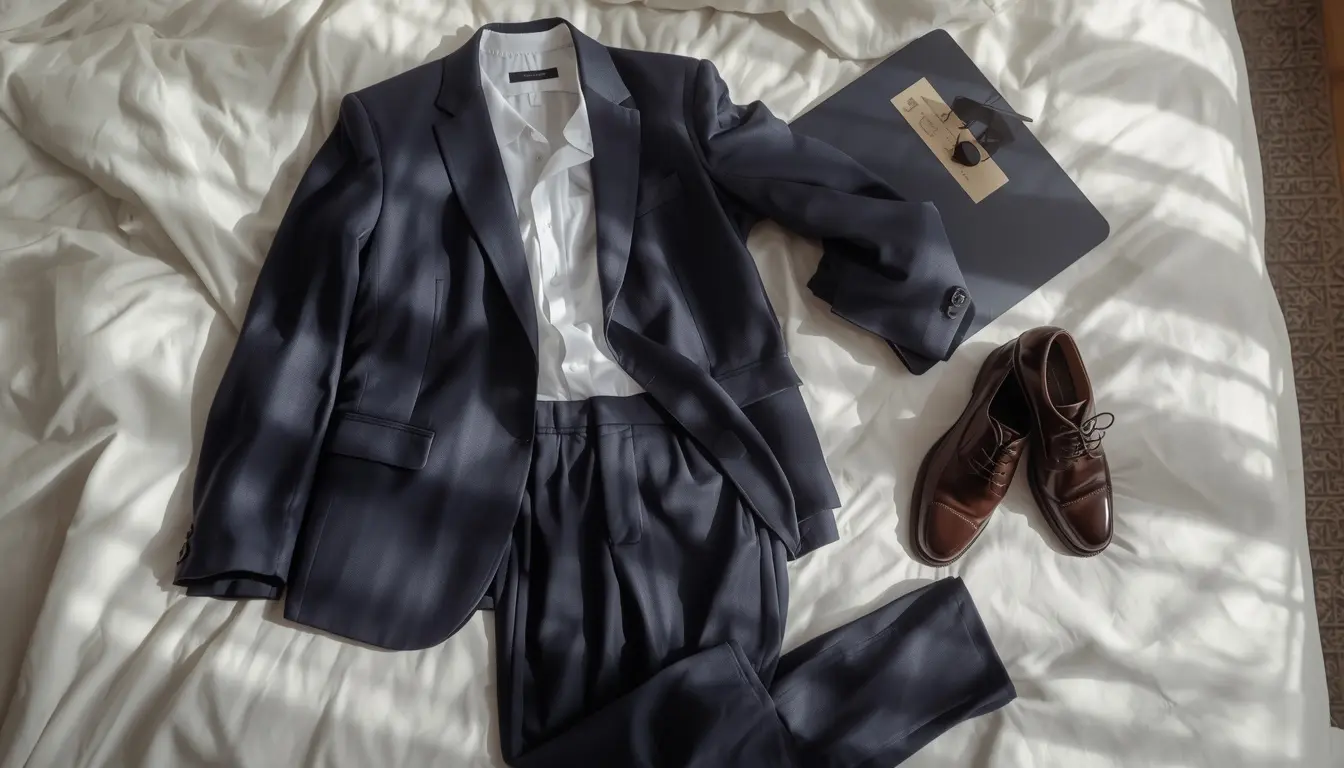
| Business professional | Finance, law, consulting | A tailored suit or matching blazer and trousers or skirt, a collared shirt or blouse, polished closed shoes, minimal accessories |
| Business casual | The most common interview dress code | A tailored shirt or blouse under an unstructured blazer, chinos or tailored trousers, loafers or clean flats |
| Casual or creative | Startups, design, some tech teams | Elevated basics: a crisp shirt or neat knit, dark well fitting trousers, clean shoes, still a step above daily wear |
Business casual is widely considered both the most common and the most misunderstood category. A useful way to picture it is polished but not stiff: think structured layers and quality fabrics rather than either a full suit or weekend clothes.
The “one notch above” rule also works in the other direction. If everyone at a company wears jeans and hoodies, a full formal suit can look out of place. The goal is to appear polished and appropriate for the environment, not to dress like a costume of the job. That said, even at a relaxed workplace, it is wise to steer clear of shorts, flip flops, or anything visibly worn out.

Fit Matters More Than Price
If there is one detail that separates an interview outfit that works from one that does not, it is fit. Clothes that are too tight restrict movement and tend to wrinkle across the body, while clothes that are too loose look careless and hide your shape. You should be able to sit, reach, and gesture comfortably without pulling or adjusting, since fidgeting with a waistband or a sleeve during the conversation is distracting for both of you.
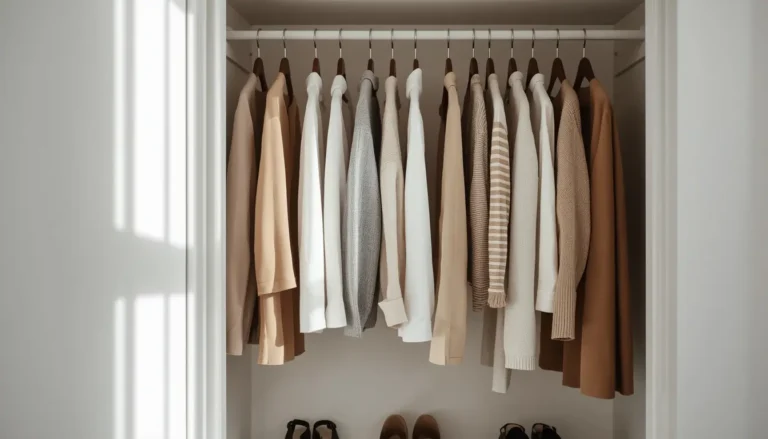
A well fitted, affordable outfit beats an expensive one that does not sit properly, and small alterations such as hemming trousers or taking in a waist typically cost far less than people assume while solving the problem permanently. Choose fabrics that look smooth and hold their shape rather than ones that crease the moment you sit down. If you are building a wardrobe from scratch, a small set of neutral, well fitting pieces from a capsule wardrobe tends to cover interview needs easily, since a good blazer and a pair of tailored trousers work across several of the categories above.
Choose Colors and Details Deliberately
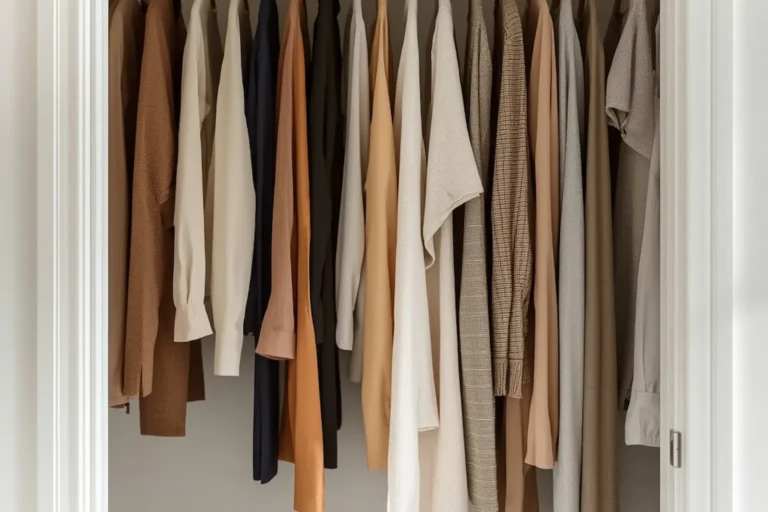
A neutral palette is the safest foundation for an interview: navy, grey, black, white, and soft beige all read as professional and combine easily. That does not mean you have to erase your personality. A single considered touch, such as a colorful top paired with neutral trousers or one distinctive but classic accessory, lets you feel like yourself without competing with the conversation.
Details finish the look. Keep jewelry minimal and classic, make sure shoes are clean and polished, and check that everything is wrinkle free before you leave. Depending on the industry, it can also be worth quietly considering how visible tattoos or piercings are typically viewed in that field, and adjusting if you choose to. If you follow religious dress or grooming practices, you should feel free to dress in line with them. Many countries have employment rules that address this, so it is worth reading up on the rules where you live and, if you wish, confirming expectations with the recruiter.
Do Not Forget Grooming
Grooming carries as much weight as the clothes themselves. Neat, styled hair, trimmed nails, and tidy facial hair all signal care, and a light touch with fragrance and makeup keeps the focus on you. A perfectly chosen outfit can be undone by scuffed shoes, visible wrinkles, or unkempt hair, so build a few minutes of final checking into your morning routine.
Video Interviews Have Their Own Rules
Dressing for a video interview follows the same logic with a few practical additions. Dress fully, not just from the waist up. You may need to stand unexpectedly, and dressing completely also tends to shift your mindset into interview mode. A collared shirt or blazer works well on camera, and solid, neutral colors are best, since busy patterns can look distracting on screen.
Test your look on camera before the day itself, checking how the colors appear and whether the lighting flatters you. Because your face sits front and center in a video call, grooming matters even more than usual, so pay attention to hair and facial hair specifically.
Rehearse the Whole Look
A proper dress rehearsal a few days before the interview catches problems while you still have time to fix them. Try on the complete outfit, shoes included, and sit, walk, and move in it. Never wear something brand new and uncomfortable for the first time on interview day, since blisters, tight seams, and unexpected wardrobe malfunctions are exactly the sort of distraction you do not need.
The night before, lay out or hang up everything you plan to wear, and allow extra time to get dressed and travel, since arriving rushed is a fast way to undo a carefully planned look. This small routine also eases interview day nerves, and pairs well with the calming techniques covered in how to prepare for a job interview you’re nervous about, because fewer last minute decisions leave more energy for the conversation itself.
Common Mistakes Worth Avoiding
- Overdressing or underdressing because you never checked the dress code
- Wearing a new outfit that you have not tested for comfort
- Ignoring grooming details such as scuffed shoes or wrinkled fabric
- Choosing loud patterns or heavy accessories that pull attention away from you
- Forgetting the finishing details, such as a neat bag or folder for your documents
Your clothes create the first impression in the room, while your résumé created it on paper, so if that side still needs polishing, how to write a resume that actually gets noticed is worth reading next. When both pieces are strong, you walk in prepared rather than hoping for the best.
Frequently Asked Questions
What if I cannot find any information about the company’s dress code?
Lean toward the safer side by dressing one notch above what employees would likely wear. Business casual is a dependable default, and you can also ask the recruiter directly, which is a normal and welcome question.
Is it okay to wear jeans to an interview?
It is generally safer to avoid them, even at casual workplaces. If the environment is truly relaxed, polished alternatives such as tailored trousers or chinos give you the same comfort while still looking a step above everyday wear.
Should I dress fully for a video interview at home?
Yes. Dressing completely, not just on top, prepares you for any unexpected movement and helps you feel more professional and focused during the conversation.
What colors are best for an interview outfit?
Neutral colors such as navy, grey, black, white, and beige are the safest foundation. You can add personality through one thoughtful accent, like a colorful top or a classic accessory, without overwhelming the outfit.
Is it better to overdress or underdress?
Slightly overdressing is generally seen as safer than underdressing, as long as you match the tone of the workplace rather than dressing far beyond it. Aim to look polished and appropriate rather than formal for its own sake.