How to Create Multiple Outfits From a Small Wardrobe
A small wardrobe often gets blamed for feeling boring, but the actual problem is rarely the number of pieces. It is usually the lack of a strategy for combining them. With the right approach, a genuinely modest collection of clothing can produce far more outfit variety than most people expect, often dozens of distinct looks from fewer than fifteen pieces.
Understand the Math Behind Mixing and Matching
Mix and match styling is not a vague creative suggestion. It follows a surprisingly reliable formula. Start with three or four staple bottoms and pair them with an equal number of tops, and you already have somewhere around a dozen distinct base combinations before adding anything else. Introduce even one or two versatile outer layers, and that number grows considerably further, since each layer can pair with nearly every base combination underneath it.
This is genuinely worth doing on paper before you start experimenting physically. Count your current staple bottoms and tops, multiply them together, then imagine how many layers, shoes, or accessories could realistically pair with each combination. Seeing the actual number in front of you, rather than assuming a small closet is inherently limiting, often reveals far more potential than expected.
Build Around a Neutral Base First
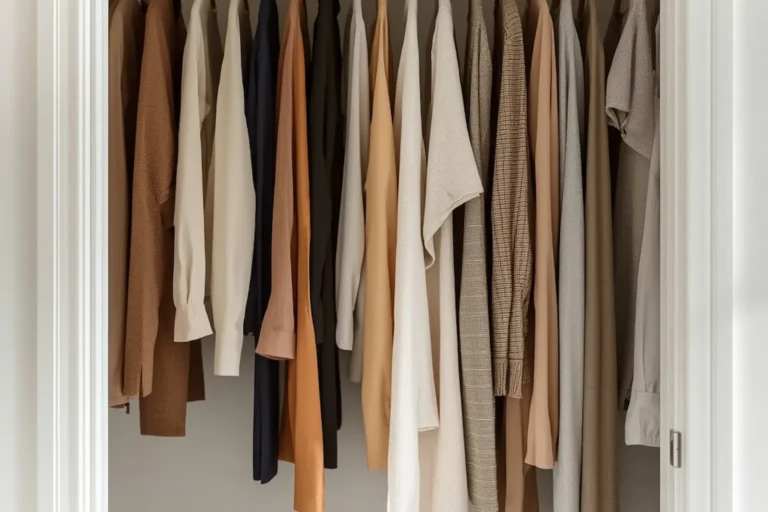
The pieces that unlock the most combinations are almost always the neutral ones. Black, white, navy, gray, and beige function as connective tissue between everything else in your closet, since neutral pieces rarely clash and nearly always pair well with whatever else you own. Building your core wardrobe around two or three of these shades gives every other piece something reliable to pair with.
Once that neutral foundation is in place, add a smaller number of statement pieces- a patterned shirt, a bold blazer, a brightly colored bottom- deliberately. These pieces stand out precisely because they are surrounded by neutrals rather than competing with other loud pieces, and a single statement item can noticeably shift the personality of an otherwise simple outfit.
Let Layers Do the Heavy Lifting
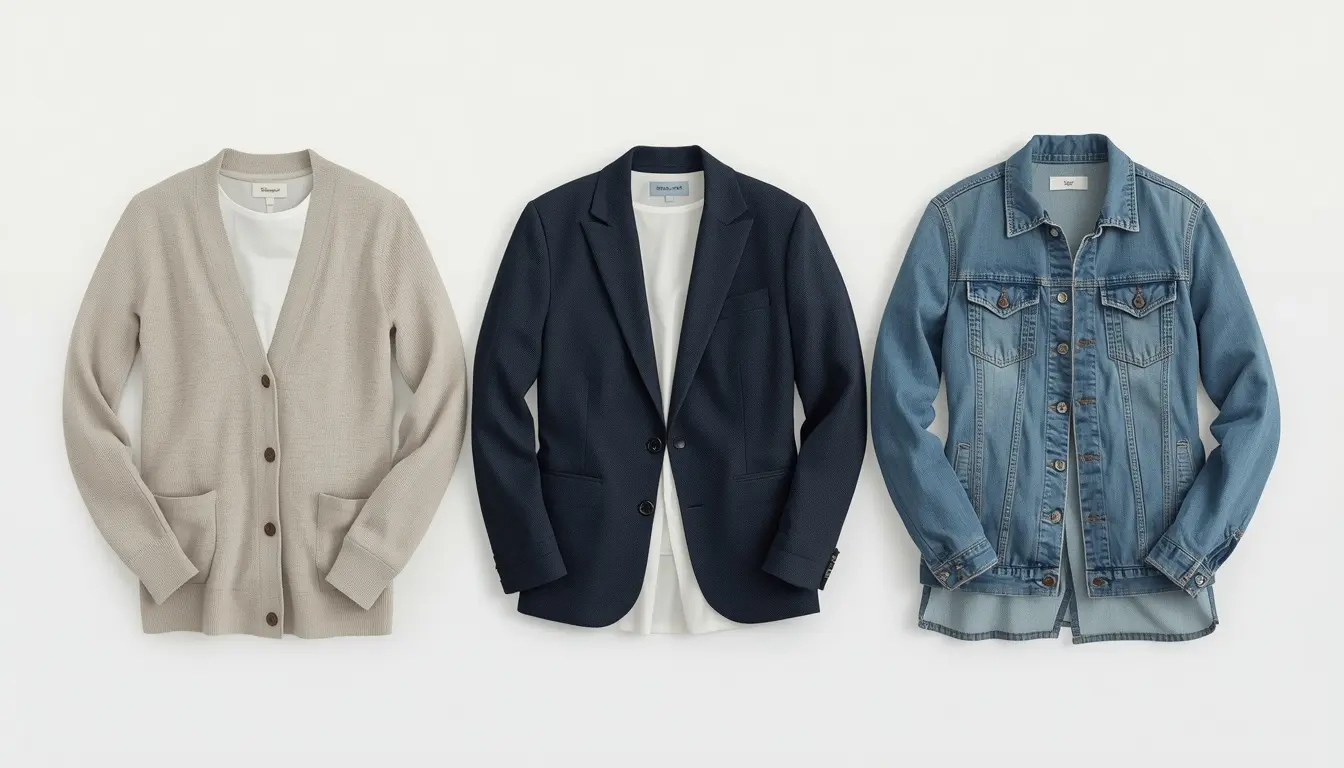
If one strategy deserves to be called the single most effective tool for multiplying outfits, it is layering. A cardigan, blazer, or jacket does not just add warmth. It genuinely changes the mood and formality of an outfit entirely, turning the same base combination into something that reads casual, polished, or put together depending on what goes over it.
Playing with proportions adds even more variety here. Pairing a cropped jacket with wide leg trousers creates a different silhouette than pairing that same jacket with slim fitted pants, and a longer coat layered over sleek, streamlined bottoms reads differently again. Keeping your layering pieces in the same neutral family as your base wardrobe ensures they pair easily with nearly everything else you own, while still leaving room to experiment with a bolder layer occasionally when you want more visual impact.
Try Monochromatic Dressing for Added Depth
A small wardrobe can look considerably more expansive through a technique that sounds counterintuitive at first: dressing in different shades of the exact same color rather than mixing several different hues together. A camel top with slightly deeper tan trousers, or varying shades of gray layered together, creates a sense of sophistication and intentionality that instantly reads as more put together than a random assortment of unrelated colors ever could, all while using pieces you likely already own.
Use Accessories to Shift the Whole Outfit
Shoes, bags, and jewelry do more work than most people give them credit for when it comes to stretching a small wardrobe. The exact same base outfit can shift from daytime casual to evening appropriate simply by swapping sneakers for heels, or a structured tote for a small clutch. A single blazer or a piece of statement jewelry layered over an otherwise simple outfit can elevate it enough to feel like a completely different look, without requiring a single new clothing item.
Get More Out of Matching Sets
If you own or are considering a coordinated two piece set, a matching top and bottom designed to be worn together, it is worth remembering that each half typically also works independently with the rest of your wardrobe. The top pairs with your existing jeans, and the bottom pairs with a simple tee you already own. A single purchase effectively functions as three separate pieces once you account for the set worn together plus each half worn on its own.
The same underlying idea applies to versatile individual pieces too. A slip dress can be worn entirely on its own, layered under an open button up shirt for a completely different silhouette, or topped with a cropped sweater for a third distinct look. One piece, three genuinely different outfits, depending entirely on how you build around it.
Document the Combinations That Work
Once you start discovering outfit combinations you genuinely like, it is easy to forget them on a rushed morning weeks later. A quick photo, taken in a mirror or with the pieces simply laid out together, builds a personal visual reference over time. This small habit removes the mental effort of reinventing a good outfit from scratch every single time, and it makes the process of mixing and matching feel considerably less overwhelming once you have a growing library of combinations already proven to work.
Plan Around How You Actually Spend Your Week
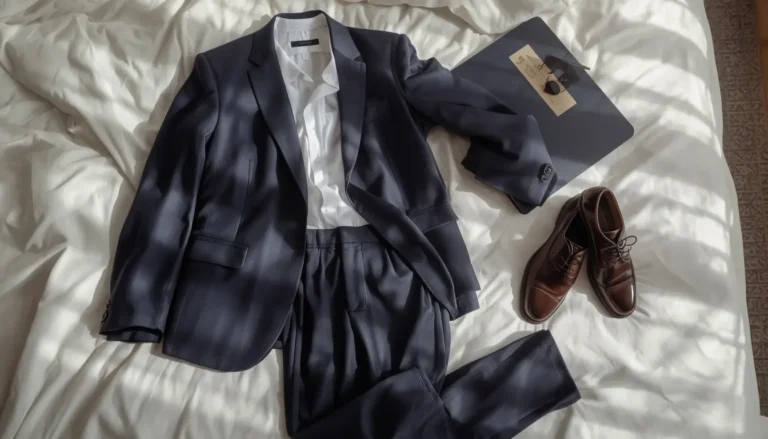
Beyond the math and the color strategy, it helps to think honestly about where your days actually go. If most of your week is spent between a casual office and weekend errands, your small wardrobe should lean heavily toward pieces that flex easily between the two, rather than splitting evenly across categories you rarely need. A single blazer that dresses up a t-shirt and jeans combination for a client meeting, then comes off entirely for a relaxed weekend brunch, earns its place in a small wardrobe far more than a piece reserved for one narrow occasion that rarely comes up.
This kind of honest audit of your actual routine, rather than an idealized version of it, tends to reveal which pieces genuinely deserve to anchor your small wardrobe and which ones are quietly taking up space without earning their keep.
Mixing and Matching Gets Easier the More You Practice It
Like most skills, styling from a small wardrobe genuinely improves with repetition. The first few weeks of deliberately mixing pieces you already own can feel effortful, almost like solving a puzzle each morning. Over time, spotting new combinations becomes far more intuitive, and you start noticing potential pairings without consciously working through the math. If you are still building toward a genuinely versatile core wardrobe from the ground up, working through how to build a capsule wardrobe from scratch pairs naturally with these mix and match techniques, since both are built around the same underlying principle: fewer, more thoughtfully chosen pieces genuinely outperform a larger, less coordinated collection.
For more on building a wardrobe designed around versatility, see how to build a capsule wardrobe from scratch, or explore more Fashion & Style guides on Daily Anytime.
Frequently Asked Questions
How many pieces do I actually need to create a lot of outfit variety?
Even a modest collection, around three to four bottoms, three to four tops, and one or two layering pieces, can realistically produce well over a dozen distinct outfit combinations once you account for layers, shoes, and accessories.
Is monochromatic dressing hard to pull off with a small wardrobe?
Not particularly. It actually becomes easier with a smaller, more curated wardrobe, since a limited color palette naturally lends itself to finding coordinating shades of the same color already sitting in your closet.
Do I need to buy new clothes to make this technique work?
Not necessarily. Most of the strategy involves seeing your existing wardrobe differently rather than adding to it. If gaps genuinely exist, prioritizing one or two versatile neutral pieces or layers tends to unlock the most additional outfit combinations for the least added cost.
How do I keep mix and match outfits from starting to feel repetitive?
Rotate which pieces you pair together deliberately rather than defaulting to the same combination out of habit, and lean on accessories and layering changes to make familiar base pieces feel different each time you wear them.