How to Protect Your Identity Online
An identity thief does not need much. A name, a date of birth, a reused password, and a phone number are often enough to start, because each piece unlocks the next. That is the uncomfortable truth, and it is also the useful one. If identity theft is built from small pieces, then protecting your online identity means making those pieces harder to collect. No one can prevent identity theft completely, but a handful of habits make you a far harder target. This guide organizes them into four moves: lock your logins, limit what you share, watch for signs, and know how to recover if something goes wrong.
What Identity Thieves Actually Want
Think like an attacker for a minute. They are not interested in you personally. They want whatever can be turned into money or access with the least effort. The table below shows the main targets, how thieves usually reach them, and how you can shrink each one.
| What they want | How they usually get it | How you shrink the target |
|---|---|---|
| Your logins | Reused passwords, phishing, and data breaches | Unique passwords and two factor authentication |
| Your personal details | Oversharing, data breaches, and paper mail | Share less, tighten privacy settings, and shred documents |
| Your phone number | Scam calls and attempts to take over your number | Add a security PIN with your carrier, and favor stronger login methods |
| Your email account | Phishing and weak passwords | Protect it first, since it resets everything else |
| Your financial identity | New accounts opened in your name | Monitor accounts, and use credit freezes or alerts where available |
Move One: Lock Down Your Logins
Your accounts are the front door to your identity, so start there.
Use a Unique Password for Every Important Account
Reusing a password is the single most common way one breach becomes five. When a site is hacked, criminals try the stolen password on other sites, hoping you used the same one. Give each important account its own strong password, starting with email, banking, and social media. A long passphrase is easier to remember than a random string, and the method in creating strong passwords you can actually remember shows how. Many people also use a password manager to store them, which is a sensible option if you choose a reputable one and protect it with a strong master password.
Turn On Two Factor Authentication
A second check at login means a stolen password alone is not enough. Where you can, choose an authenticator app or a passkey over text message codes, which are easier to intercept. The full setup is explained in setting up two factor authentication on all your accounts.
Protect Your Email Above All
Your email is the reset button for nearly everything else. If an attacker controls it, they can reset your other passwords. Give it your strongest password and two factor authentication, and check its recovery options now and then.
Move Two: Limit What You Share
You cannot be robbed of information that was never available. Every detail you post or hand over is a potential piece in someone else’s puzzle.
Tighten Social Media
Review your privacy settings so that your profiles are visible only to people you know. Avoid posting your full date of birth, home address, phone number, and workplace publicly. Be careful with details that answer security questions, such as a mother’s maiden name, a first pet, or a childhood school, since they can be used to take over accounts.
Think Twice Before Filling in Forms and Quizzes
Online quizzes, giveaways, and surveys often collect personal details, sometimes for marketing and sometimes for worse reasons. Give the minimum information any form requires, and skip anything that asks for more than it needs. If a site wants your national ID number or a copy of your identity card for something that does not clearly require it, ask why before you hand it over.
Handle Identity Documents Carefully
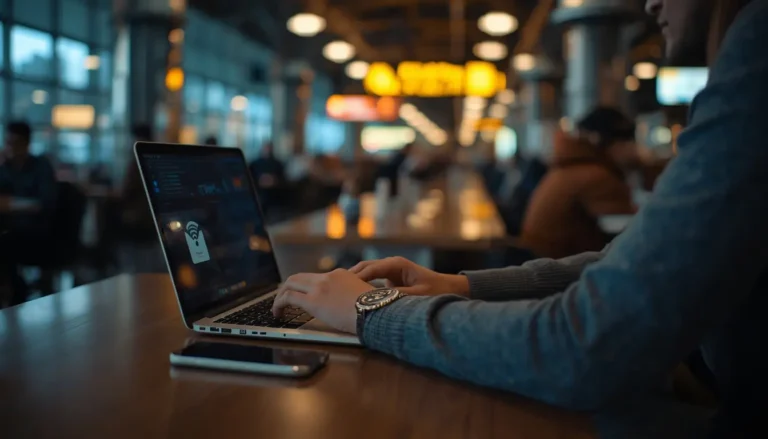
Photos and scans of identity cards, passports, and driving licenses are valuable to thieves. Do not send them over unsecured channels, do not leave them in an email inbox you do not protect, and when you must share a copy, consider adding a note stating the purpose, such as “for a bank account application only,” across the image. Also be cautious on unfamiliar networks, since the risks are covered in whether public Wi-Fi is actually safe.
Move Three: Watch for Signs
Identity theft is often discovered late, which is why regular checking matters more than a single burst of effort. Build a simple habit of looking.
- Check statements and transactions on your bank and card accounts, and switch on alerts for new payments if your bank offers them.
- Look for accounts or messages you do not recognize, such as bills for services you never signed up for or password reset emails you did not request.
- Review your credit report where one is available in your country, and look for accounts you did not open.
- Consider a credit freeze or fraud alert where your country offers one. A freeze restricts access to your credit file, which makes it harder to open new accounts in your name.
- Check your mobile number. Many countries offer a way to see how many SIM cards are registered under your ID, so look at what your regulator or carrier provides, and report any you do not recognize.
- Stay alert to breach notices. If a company tells you your data was exposed, change the affected passwords promptly and watch your accounts more closely.
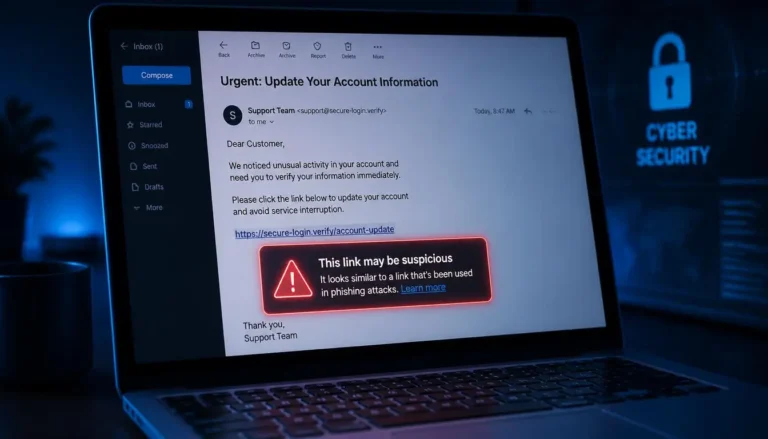
Phishing is the most common doorway into all of this, so it helps to know its tricks, as described in how to spot a phishing email.
If You Hear About a Data Breach
Sooner or later, a company you use will tell you that customer data was exposed. Do not ignore the notice, and do not panic either. Check which details were involved, since a leaked password calls for a different response than a leaked address or ID number. Change the affected password everywhere you used it, and turn on two factor authentication if you have not already. Expect convincing phishing messages in the weeks that follow, because criminals often reuse breach news as bait. If sensitive identity details were exposed, take the extra protective steps available in your country, such as a credit freeze or fraud alert.
Move Four: Know How to Recover
If you discover that your identity has been misused, speed matters, and a clear order helps. The details vary by country, but the main steps are widely similar.
- Secure your accounts. Change your passwords, starting with email and financial accounts, and turn on two factor authentication.
- Contact the affected institutions. Tell your bank, card providers, and any service where fraud occurred. Ask them to freeze or close the accounts and issue new details.
- Report it. Use your country’s official channel for reporting identity theft or cybercrime, such as the Federal Trade Commission in the United States, and file a police report if your situation calls for it.
- Protect your credit. Where available, place a fraud alert or freeze, and dispute any fraudulent accounts using your reports as evidence.
- Keep records. Save dates, names, reference numbers, and copies of messages, since you may need them later.
- Keep watching. Check accounts and reports for several months, because stolen information can be used again.
Be careful of anyone who contacts you offering to fix everything for a fee. Real recovery steps are usually free through official channels. If the cause was a hacked email, the plan in what to do if your email gets hacked goes into more detail.
Offline Habits Still Matter
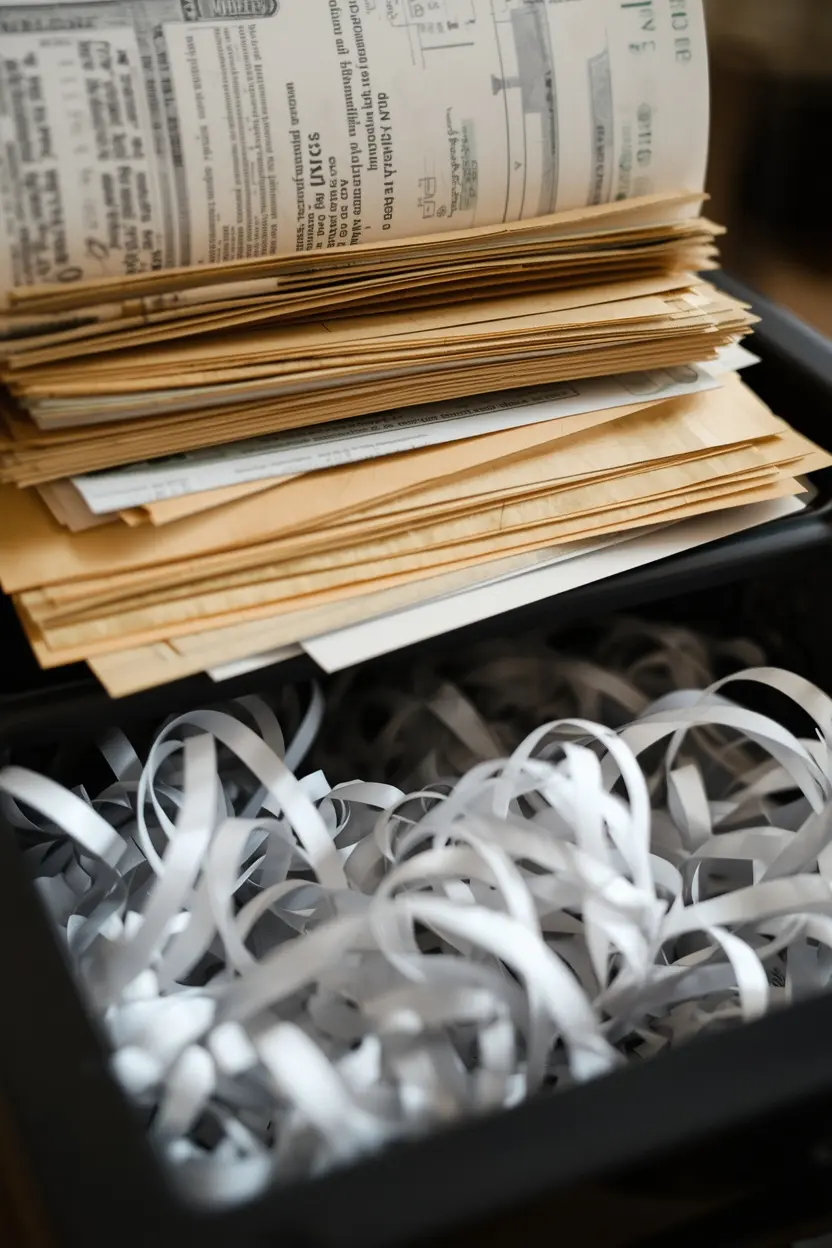
Not all identity theft starts online. Shred paper documents that contain personal details, including bank statements, bills, and anything with account numbers, before throwing them away. Collect your mail promptly, and be careful with documents you carry. If you sell or recycle an old phone or computer, erase it properly first. And if a wallet or an identity card is lost, report it right away so the document can be cancelled or replaced.
Protect the People You Care For
Children and older relatives are often targeted because they may be less aware of the risks, and a child’s identity can be misused for years before anyone notices. Talk about these habits with your family, and keep their important documents safe. The guidance in protecting your kids online covers how to build safe habits early.
Bottom Line
You cannot make yourself immune to identity theft, but you can make yourself an inconvenient target, and that is often enough to send a thief elsewhere. Lock your logins with unique passwords and two factor authentication. Limit what you share and who can see it. Watch your accounts and your credit where you can. And keep a short recovery plan in your head, so that if something goes wrong, you act in minutes instead of days. None of this takes long, and all of it compounds, which makes it one of the best uses of an afternoon you will ever find.