How to Safely Shop Online Without Getting Scammed
The padlock in your browser does not mean a shop is safe. For years, shoppers were told to look for it, and many still believe a padlock is a stamp of approval. It is not. It only tells you that the connection between you and the website is encrypted, which means nobody can read the data in transit. A scam site can have a padlock just as easily as a genuine one. So safe online shopping needs more than one glance at the address bar. It needs three layers of protection: check the store, protect the payment, and know what to do afterward. This guide covers all three.
Layer One: Check the Store Before You Trust It
Fake online stores are hard to spot at first glance. Some are exact copies of real shops, and many look perfectly professional. The following checks take a couple of minutes and catch most of them.
Read the Web Address Letter by Letter
Scammers often imitate a well-known store by changing its address slightly, swapping a letter for a number, adding an extra word, or using an unusual ending. Read the address slowly, and compare it with the shop’s name and logo. If you arrived through an advert or a message, type the real address yourself or use your own bookmark instead of clicking.
Check How Long the Store Has Existed
Many scam shops are brand new. A free lookup of the domain’s registration date will often show when the website was created. A very new site is not automatically a scam, but a shop that appeared last week offering huge discounts on popular brands deserves extra suspicion. This is one of the simple checks recommended by national cyber security centers.
Judge the Reviews, Not the Stars
Fake shops often fill their pages with glowing reviews, sometimes generated automatically. Be wary of a store with only five star ratings in perfect, repetitive language. Look for reviews on independent sites, not just on the shop’s own pages. Check the age of reviews too, because old praise may not reflect how the shop behaves today. A store with no reviews at all is an unknown, which is not the same as a scam, but it is a reason to pay with a method that offers protection.
Look for Real Business Details
A genuine shop usually provides a physical address, a working contact method, clear terms and conditions, and a return and refund policy. Missing information, copied text, awkward spelling, and vague terms are warning signs. Take a moment to read the legal and delivery pages, which scam sites often leave empty or fill with filler.
Be Suspicious of Prices That Make No Sense
If a brand new item is far cheaper than everywhere else, ask why. Scammers use unbelievable prices to make people act before they think. Rock bottom pricing on hard to find or in demand products is a classic hook. If a deal seems too good to be true, it usually is.
Layer Two: Protect the Payment
Even a good store can be hacked, and even a bad store can only take what you give it. The payment method you choose decides how much you can recover if something goes wrong. Protections differ between countries and providers, so treat the table as a general guide and check the terms of your own cards and accounts.
| Payment method | Typical protection | Notes |
|---|---|---|
| Credit card | Often strong dispute rights and refunds | Keeps your main bank account separate from the purchase |
| Debit card | Some protection, varies by provider | Money leaves your account straight away |
| Trusted payment service or digital wallet | Buyer protection programs, varies by service | Some also hide your card number from the seller |
| Cash on delivery, where available | You can inspect before paying | Watch for fake delivery fees or requests for extra payment |
| Bank transfer or money wire | Very little | Hard to reverse, so avoid paying strangers this way |
| Gift cards or cryptocurrency | Almost none | A favorite of scammers, and nearly impossible to recover |
A seller who insists on payment upfront by bank transfer, gift card, or a method outside the platform is one of the clearest red flags there is. If in doubt, ask for a safer option such as card or cash on delivery, and walk away if they refuse.
It also helps to avoid saving your card details on websites or in your browser, and to check your statements regularly for charges you do not recognize. Do your shopping on a network you trust rather than a public one, for reasons covered in whether public Wi-Fi is actually safe.
Layer Three: Know What to Do Afterward
Keep a record of every purchase, including the order confirmation, the seller details, and screenshots of the listing. Track your delivery, and note the date it was promised. If something looks wrong, speed matters.
- Contact your bank or card provider immediately. The sooner you report a suspicious charge, the better your chances of stopping or reversing it.
- Report the store. Use your country’s consumer protection or cybercrime reporting service, and report the fake site to the platform that advertised it.
- Change any passwords you used. If you reused a password on the fake site, change it everywhere.
- Watch your accounts. Scammers sometimes return to use the details they collected.
Scams That Surround Shopping
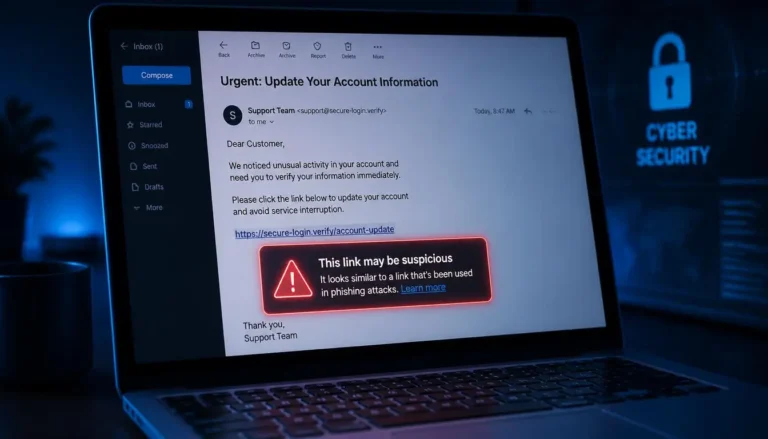
Many shopping scams do not involve a fake store at all. They arrive as messages. A text claiming a parcel is waiting, an email about an order you never placed, or a notice about a refund can all lead to a fake page designed to steal your login or card details. Do not click the link. Open your real shopping app or type the website address yourself, and check the order there. The warning signs in how to spot a phishing email apply equally to messages about deliveries, and the broader patterns are covered in how to recognize and avoid online scams.
Marketplaces and Social Media Sellers
Buying from an individual seller on a marketplace or through a social media advert carries its own risks. Check the seller’s ratings and history, and be careful if the account is new or has very little feedback. Keep the conversation and the payment on the platform, because a classic trick is to move the buyer to private messages and ask for payment outside the platform, where there is no protection. Social media adverts can lead to fake stores, so treat them with the same checks as any other shop.

Shopping Apps Deserve the Same Checks
Fraudsters do not only build fake websites. They also create fake shopping apps. Before you install one, make sure you got it from your device’s official app store, check the publisher’s name and the number and quality of reviews, and look at what permissions it asks for. A shopping app that wants access to your contacts or messages has no good reason to. If you already know the retailer, find the link to its official app from the retailer’s own website rather than searching for it, since look alike apps often appear in search results.
Secure Your Own Accounts
Safe shopping also means protecting the accounts you shop with. Use a unique password for each store, which is easier with the passphrase method in creating strong passwords you can actually remember, and turn on two factor authentication wherever it is offered. That way, even if a store is breached, the damage stays limited to one account.
Red Flags at a Glance
- A web address that looks slightly different from the real brand
- A brand new website with huge discounts on popular items
- Only glowing five star reviews with repetitive wording
- No physical address, no working contact details, or missing return policy
- Requests for payment by transfer, gift card, or cryptocurrency
- Pressure to buy quickly, or to continue the deal off the platform
- Poor spelling, copied text, and a design that feels slightly off
The 60 Second Pre Purchase Check
Before you click buy on any store you do not know well, run through this quick routine.
- Read the address. Spell it out letter by letter, and compare it with the brand name.
- Search the store’s name with the word reviews. Look at independent sites, not just the shop’s own page.
- Find the business details. Look for an address, contact information, and a return policy.
- Do the price test. Ask whether the price is too good to be true.
- Choose a protected payment method. Use a card or trusted payment service, never a transfer or gift card.
- Take a screenshot. Save the listing, the price, and the confirmation page.